How to Plan Your Paddock Space
To plan your paddock space, confirm your pitch allocation and site rules with the organiser, measure everything you are bringing, then split the pitch into a work zone, a vehicle and storage zone and a rest area. Keep a clear access route, place power and fuel safely, plan for the weather and stay inside your own boundary.
This guide is the planning checklist and layout plan for any discipline, from a single car at a track day to a sponsored team base. For tent sizes by vehicle, use the motorsport tent size guide. Building a paddock base? Talk to the team and we will point you to the right kit.

Paddock Space Planning Checklist
| Check | What to do | Why it matters |
|---|---|---|
| Pitch size and rules | Ask the organiser for your allocation, arrival times and any rules on generators, noise and fires | Everything else has to fit inside it |
| Vehicles and tent footprint | Measure the van, trailer, car or bike and the tent you will pitch | Tells you whether the plan works before you arrive |
| Zones | Mark out work, vehicle, storage and rest areas | Keeps tools, guests and fuel apart |
| Access | Keep a clear route in and out for the car or bike and for loading | You will not be blocked in when you are called |
| Power and light | Decide what needs power and where the generator or hook-up goes | Cables and exhaust stay out of the work area |
| Weather | Plan anchoring, side walls and flooring for the surface and forecast | Wind and standing water end weekends early |
| Neighbours | Stay inside your pitch, ropes and weights included | A good paddock reputation travels |
How Much Paddock Space Do I Need?
You need enough space for every vehicle you bring, the full footprint of your tent with its weights or ropes, a walkway, and somewhere to sit. Find out what the organiser allocates first, because pitch sizes vary by circuit, event and club, and plan to fit inside it.
Work it out before you leave home:
- Ask the organiser or club for your pitch allocation, arrival time and whether pitches are marked, first come or shared.
- Measure the length and width of your van, trailer, car or bike. Write the numbers down.
- Pick a tent size for the vehicles and kit you will cover. The motorsport tent size guide draws car, bike and kart layouts to scale, so use it for sizing.
- Add the extra ground the tent needs for weights, guy ropes or storm kits around its legs.
- Add a walkway between the vehicle and the tent, and a rest area at the front.
- Sketch it on paper or mark it out on the drive. If it does not fit at home, it will not fit in the paddock.
If you share a pitch with another driver or rider, agree the plan with them before the weekend, including whose tent goes up and where each vehicle parks.
How Should I Lay Out a Paddock?
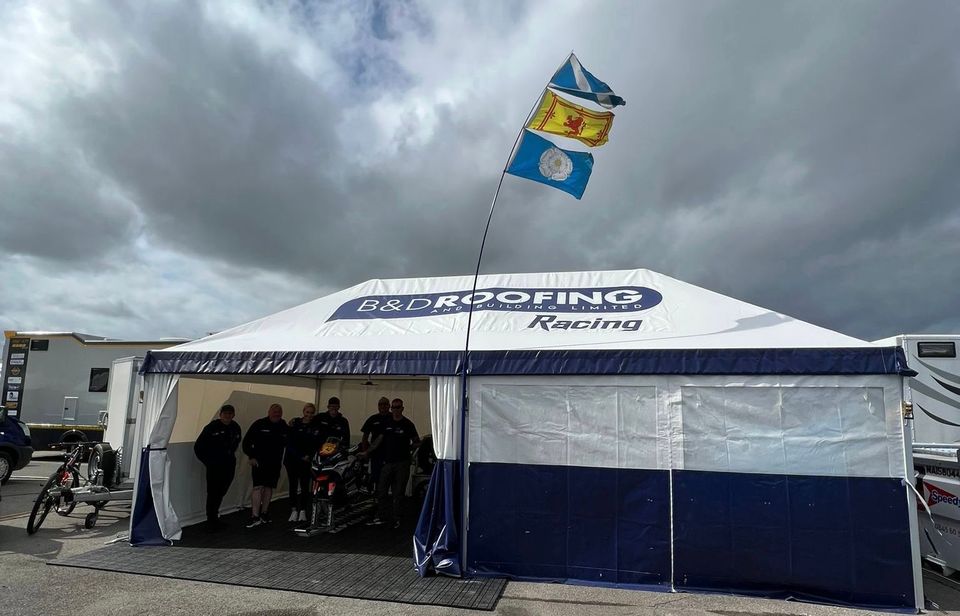
Lay out a paddock in four zones: vehicles at the back, the work area under the tent, storage for tyres, spares and fuel to one side, and a rest or guest area at the front. Keeping each job in its own space stops tools, people and fuel getting mixed up when the weekend gets busy.
- Vehicle zone. Park the van or trailer first, along the back or the windward side, so it acts as a wall and you can unload straight into the tent.
- Work zone. The car, bike or kart sits under cover with the bench and tools within reach, and enough room to get round it with a trolley jack or stands.
- Storage zone. Tyres, spares and fuel go to one side, out of the walkway. Keep fuel away from the rest area and any heat source, and check your club or championship regulations for fuel storage and fire extinguisher requirements.
- Rest and guest zone. Chairs, drinks and somewhere dry for drivers, family and sponsors to sit between sessions, kept apart from the work area.
How Do I Keep Access Clear in the Paddock?
Keep the open side of the tent facing the paddock road or lane you will drive out on, and keep that route clear of chairs, stands and weights. When you are called to the assembly area you should be able to roll out without moving anything.
Getting the vehicle in and out
- Note where the paddock lanes run before you pitch.
- Point the tent opening at the lane, with the car or bike facing out.
- Leave the front edge free of kit, and keep the rest area to one side of the exit route.
- Check the trailer or van can still leave if a neighbour parks tight against you.
Getting yourself around
- Leave a walkway between the vehicle zone and the tent so you are not climbing over weights.
- Keep tools on the bench or in boxes, off the floor of the walkway.
- Keep a fire extinguisher where anyone can reach it quickly, in line with your club or championship regulations.
- Agree with the crew where everything lives, so anyone can find it in a hurry.
How Do I Plan Power and Lighting in a Paddock?
List what needs power, such as tyre warmers, chargers, lights and a kettle, then check whether the venue offers hook-ups or allows generators and at what times. Put any generator outside the tent, away from fuel, the rest area and your neighbours, and run cables where nobody will trip on them or drive over them.
- Ask the organiser about generator rules, noise curfews and hook-up availability before the event.
- Site the generator downwind of the tent and away from neighbouring pitches, so exhaust and noise go somewhere harmless.
- Route cables along the edge of the pitch, out of the walkway and the exit lane.
- Pack lighting for early starts and late pack-downs, because many paddocks are dark outside session times.
- Keep anything electrical off a wet floor. Raised flooring helps here.
How Do I Plan a Paddock for Wind and Rain?
Plan for wind by anchoring every leg of the tent every time, and for rain with side walls on the exposed sides and flooring that lifts you off standing water. Check the forecast and the paddock surface before you pitch, because grass, gravel and tarmac each need different anchoring.
- Anchor for the surface. On soft ground use tie-down storm kits. On hard standing use heavy-duty race tent weights on every leg.
- Know your tent. Pro 50 and Pro 60 pop up race tents are rated to 25 to 35 mph only when every leg is securely weighted or anchored. MQ-65 freestanding awnings are rated to 50 mph plus with 2 to 3 weights per leg.
- Use the van or trailer as a windbreak on the windward side, and fit side walls to any exposed ends.
- Face the open front away from the prevailing wind where the exit route allows.
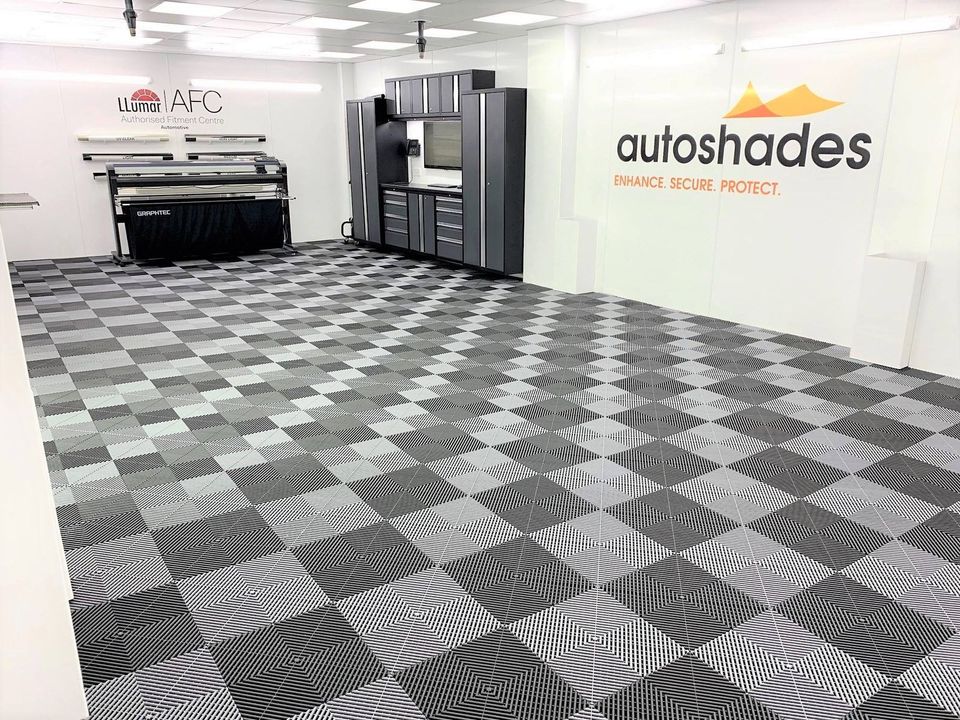
- Lay flooring. Durable, self-draining Swisstrax modular flooring keeps the work area clean and dry, which is safer and more comfortable on a wet weekend, and it installs and dismantles easily for transport.
Pro 50 and Pro 60 canopies are 600D PVC-coated polyester with a 6000mm hydrostatic head, fire retardant and UV protected. If the wind becomes genuinely dangerous, take the roof down.
How Do I Avoid Problems With Paddock Neighbours?
Stay inside your own pitch, with guy ropes, weights and chairs included, and keep noise, exhaust and fuel away from the people next to you. Say hello when you arrive and agree boundaries early, because the same faces turn up round after round.
- Pitch inside your boundary, measuring from the outside of your weights and ropes.
- Leave the lane in front of their pitch clear as well as your own.
- Point generator exhaust and noise away from neighbouring tents, and respect any curfew.
- Keep running engines and warm-ups to the times and places the organiser allows.
- Clear your pitch completely when you leave, including cable ties, tape and rubbish.
A tidy, well-planned pitch is good for your reputation with organisers, other teams and potential sponsors. For more on working alongside other businesses at race meetings, Event Industry Trader covers trading at race meetings.
How Do I Make a Paddock Look Professional for Sponsors?
Build the look around a branded race tent, then add custom flags, branded cafe barriers and banners in the same colours. A cohesive pitch gives drivers and sponsors a comfortable place to spend the weekend and shows the team at its best whatever the level of competition.
Branded race tent
The tent is the centrepiece of the paddock. It gives shelter from the weather, a prominent space for sponsor logos and team branding, and a professional, cohesive appearance. Canopies and side walls can be printed in team livery. See branded motorsport tents and the pop up race tent range.
Custom flags
Custom printed flags come in various styles and sizes, increase brand exposure from a distance and help people find your pitch in a busy paddock.
Cafe barriers
Branded cafe barriers define your team's space and create a VIP area for guests and sponsors at the front of the pitch. They are available with wind-resistant mesh options for stability.
What Else Belongs in a Team Paddock?
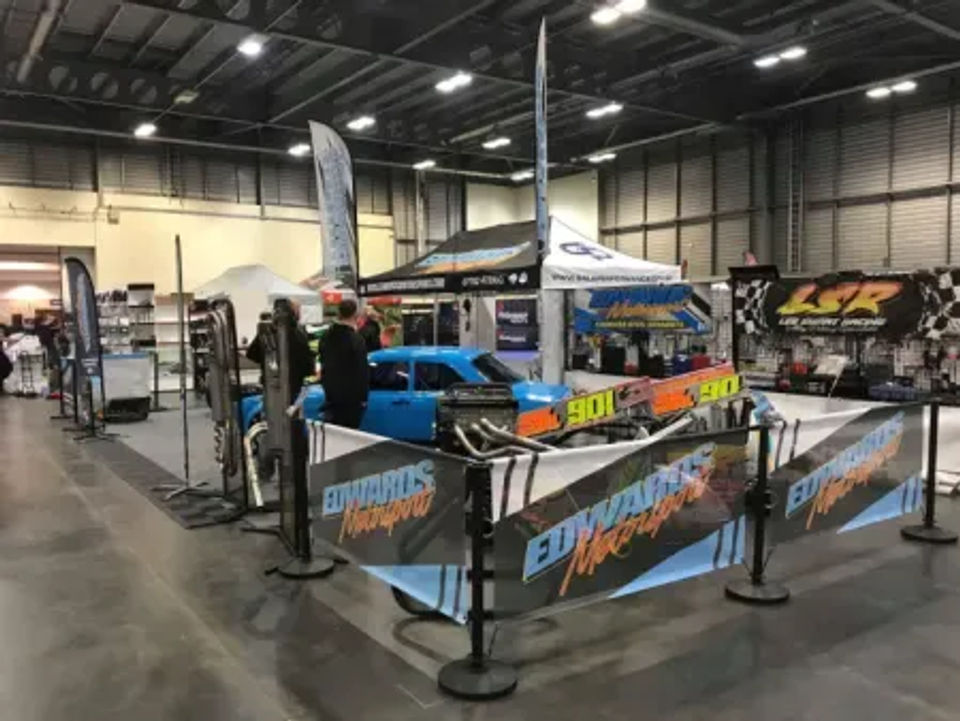
Once the tent, flooring and barriers are planned, add branded banners, a pit perch if you race endurance, and comfortable seating for the rest area. Teams with a pit garage can carry the same branding inside with walling.
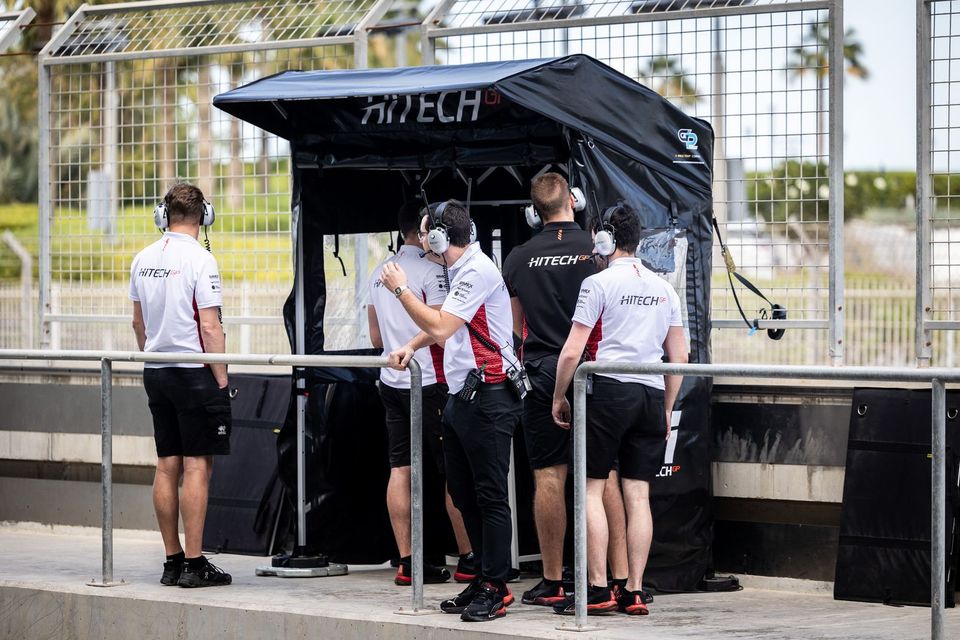
Gala Performance Pit Perch
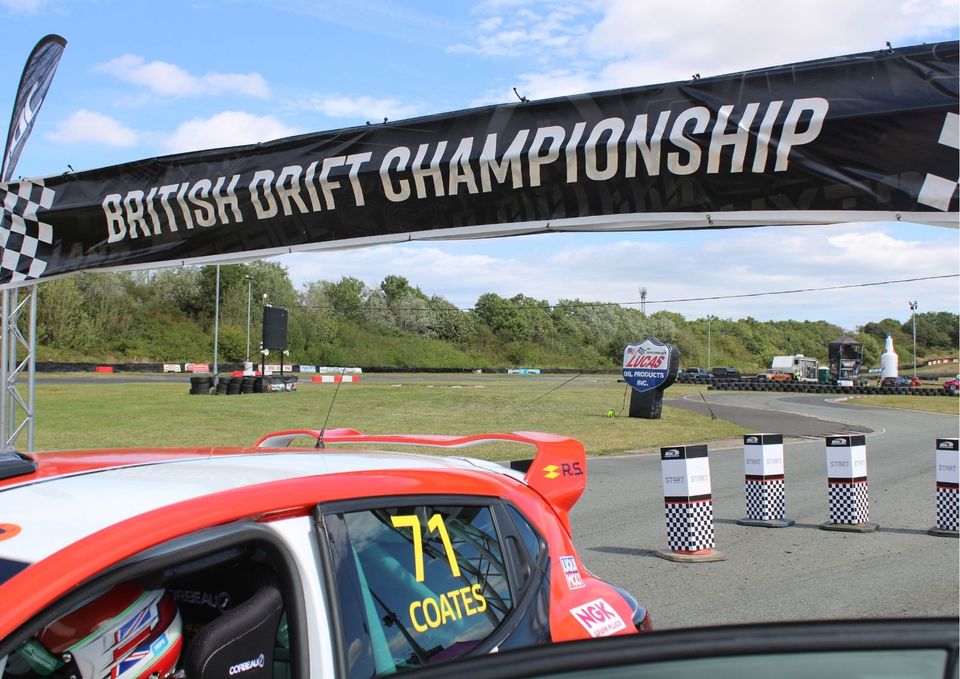
A compact pop up shelter for the pit wall at endurance races, built to pit-lane dimensions.
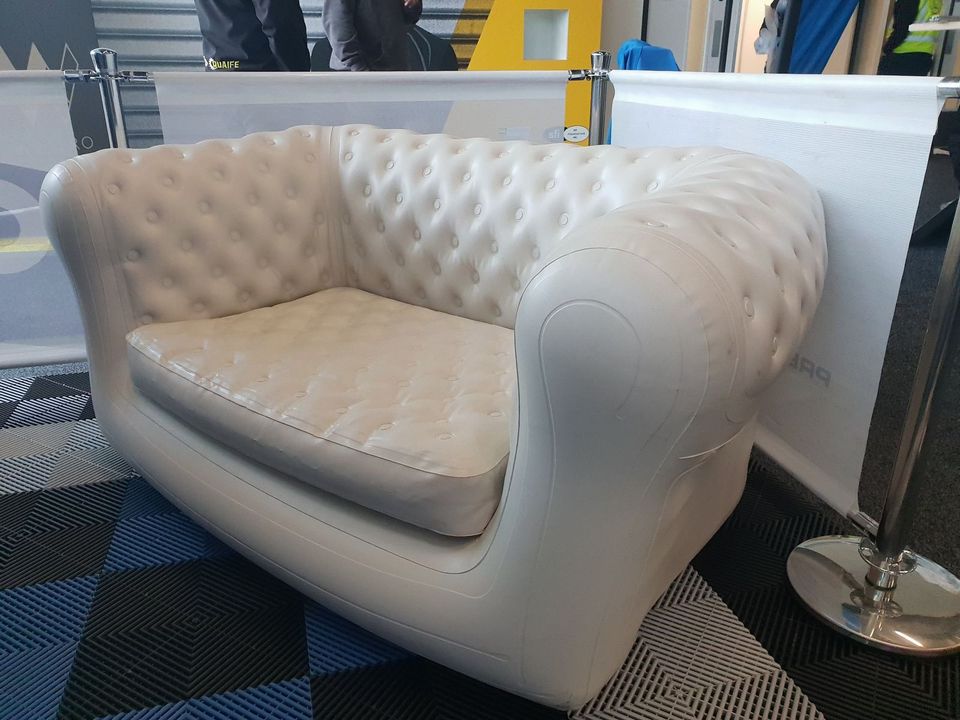
Got a garage this season?
If you are allocated a pit garage, pit garage walling and garage flooring carry the team look indoors. Call the team on 01709 803 457 to talk through next season's plans.
Paddock Space Planning FAQs
What should be on a paddock checklist?
How much space do I need in the paddock?
What size race tent do I need for my paddock?
How do I lay out a race paddock?
How do I stop my race tent blowing away in the paddock?
How do I make my paddock look professional for sponsors?
More Paddock Guides
Each discipline sets up its paddock differently. Use these guides for the detail on your own sport.
Paddock guides by discipline