How to Set Up a Hillclimb and Sprint Paddock
To set up a hillclimb or sprint paddock, pitch a heavy duty pop up race tent that goes up and comes down in minutes, anchor it with pegs and weights on every leg, and bring your own power, water and food for a full day on site. A 3m x 3m covers one car's kit, and a 3m x 4.5m gives you room to work and store spares.
Hillclimbs and sprints, known together as speed events, are one car against the clock on a strip of tarmac. The paddock runs very differently from a race weekend: a single day of short runs, often at a rural venue with no power or water, unloading onto a grass field. This guide covers the setup step by step, the right tent, anchoring on grass and slopes, and how to make a long day comfortable. New to speed events? Talk to the team.
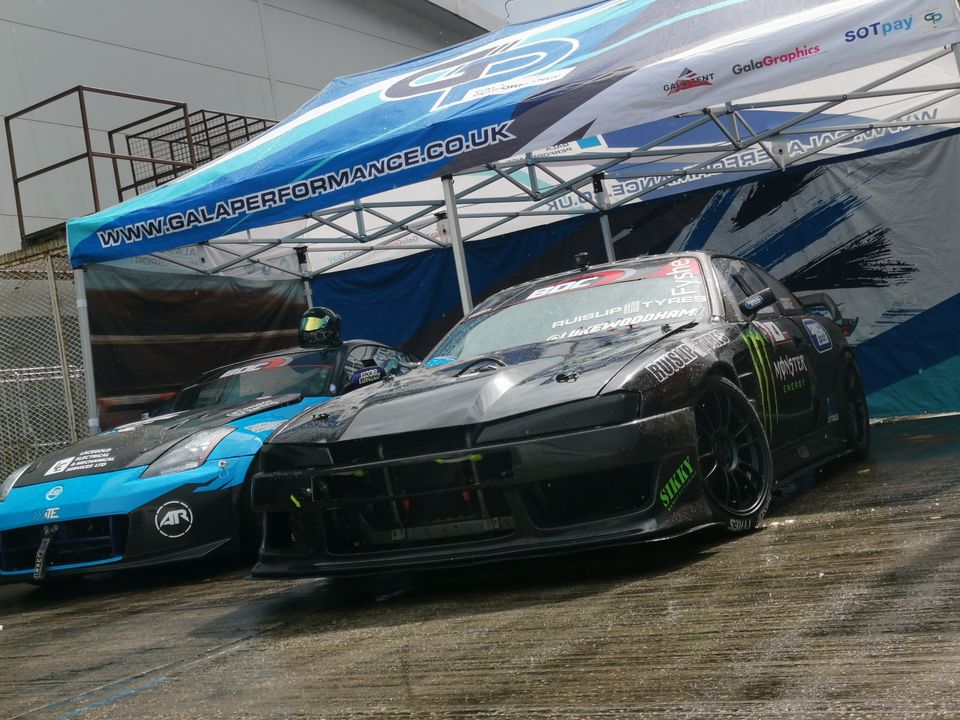
Hillclimb and Sprint Paddock Checklist
| What | What to bring | Why |
|---|---|---|
| Shelter | Heavy duty pop up race tent | 3m x 3m for one car's kit, 3m x 4.5m for working room and spares |
| Frame | Pro 50 or Pro 60 heavy duty aluminium | Survives a season of quick pitches on rough ground |
| Anchoring | Long pegs and guy ropes, plus weights on every leg | Grass paddocks on exposed hillsides |
| Power and water | Bring your own | Many venues have neither in the paddock |
| Comfort | Seats, food, drink, warm dry clothing | A full day for a few minutes of running |
| Pack-down | Folds in minutes, no tools | Many competitors drive the car home after |
What Is the Difference Between a Hillclimb and a Sprint?
A hillclimb and a sprint are both speed events: one car runs against the clock with no other cars on the course. A hillclimb runs uphill from a standing start to a finish higher than the start, and a sprint runs on a flatter, usually longer course such as an airfield or a section of race circuit.
Because a hillclimb finishes higher than it starts, the course does not join up like a circuit. Some sprints use cones that carry time penalties if you clip them. Many competitors do both.
Venues range from historic permanent hills such as Shelsley Walsh, one of the oldest motorsport venues in the world, Prescott, Harewood, Loton Park and Gurston Down, to sprint courses at airfields and circuits. A typical day is two practice runs in the morning and two timed runs in the afternoon, with cars coming back to the paddock in batches between runs. The entry list can run from road cars and novices to full single-seaters.
What Is a Hillclimb or Sprint Paddock Like?
Hillclimb and sprint paddocks are usually tight, rural and basic. Many have no paddock power or water, the space is often a grass field, and you need to be self-sufficient for one long day.
- Ground. Expect grass, often on or near a slope, and rarely flat or hard.
- Space. Bays are tight. At venues such as Shelsley Walsh you unload in a field and drive only the competition car into the paddock proper.
- Services. Many venues have no paddock power and no water, so bring what you need.
- Scrutineering. It usually comes to you. You stay with your car in your bay and the scrutineers work their way round.
- Going home. Plenty of competitors drive the car home afterwards, so the whole setup has to strike quickly at the end of the day.
Plan a compact, tidy space for one day. Pack only what you need, keep it organised, and be ready to load up fast.

How Do You Set Up a Hillclimb or Sprint Paddock?
Set up a hillclimb or sprint paddock in this order: choose a pitch that sits square to the slope, put the pop up up, anchor every leg, then lay out your seating, kit and spares so the car can come and go between runs. The whole job should take minutes, with no tools.
- Walk your bay before you unload. Pick the flattest line and face the tent so water runs away from your working area.
- Unload the tent, weights and pegs first, before the car or the rest of the kit fills the space.
- Open the pop up frame, fit the canopy and set the legs to height so the structure sits square on the slope.
- Peg every leg on grass with long heavy-duty pegs, run the guy ropes, then add a weight to every leg as backup.
- Set out seats, tools, spares and paperwork at the back of the tent, out of the rain and clear of the car's path.
- Leave the front open so the car can come in and go out to the start line in its batch.
- At the end of the day, pack the kit first, then the tent, and load in reverse order.
Want to plan the space on paper first? Our guide to planning your paddock space walks through measuring and laying out a bay.
What Size Tent Do You Need for a Hillclimb or Sprint?
For a hillclimb or sprint, a heavy duty 3m x 3m pop up covers a single car's worth of kit and gives you shelter, and a 3m x 4.5m adds room to work and store spares. For a single-day event, the priority is a shelter that pitches and packs in minutes.
- A heavy-duty pop up race tent goes up in a couple of minutes, needs no tools and folds straight back down when you are done.
- Go heavy duty. A season of quick pitches on rough ground will wreck a garden gazebo. The Pro 50 uses a 50mm hexagonal aluminium frame and the Pro 60 a 60mm frame, both with a 600D PVC-coated polyester canopy rated to a 6000mm hydrostatic head.
- If you run a championship and travel with a trailer, an MQ-65 heavy duty motorsport awning gives you a more permanent, all-weather base.
- Our motorsport tent size guide helps you match the size to your car and kit.
How Do You Anchor a Race Tent on Grass at a Hillclimb?
On grass, anchor a race tent with long heavy-duty pegs and guy ropes, then add race tent weights to every leg. Pegs alone can pull out of soft or wet ground, so the weights are your backup.
- Peg first. Grass lets you use long pegs and guy ropes, your first line of defence.
- Weight every leg, even for a short day. Wet grass loosens its grip on a peg.
- Pitch with the slope in mind, so the structure sits square and water runs away from where you work.
- On soft ground, a tie-down storm kit adds holding power.
- The Pro 50 and Pro 60 are rated to 25 to 35 mph only when every leg is securely weighted or anchored.
One gust across an exposed hillside is enough to flip an unanchored gazebo into someone else's car. Anchor every time.
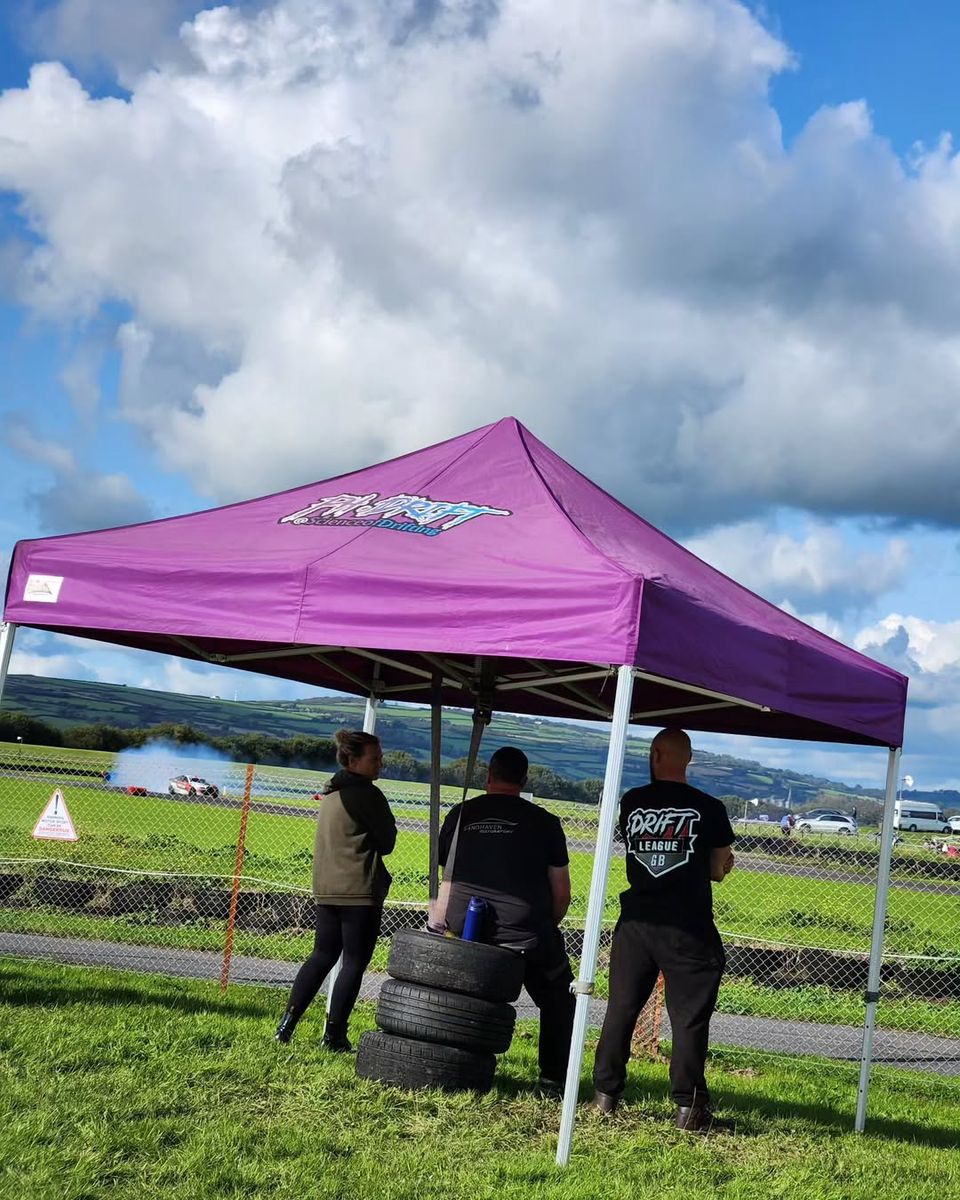
What Should You Bring to a Hillclimb or Sprint?
Bring a quick-pitch pop up for shelter, pegs and weights to anchor it, your safety gear, basic tools and spares, and food, drink and warm, dry clothing. Many venues have no power or water, so bring your own if you need them.
Your time on the course adds up to a couple of minutes across the whole day, but you are there from early morning to late afternoon. That means a lot of waiting: checking the car, watching other classes and sheltering from whatever the weather does on an exposed hill.
- Somewhere dry to sit between runs.
- Cover for your kit and paperwork, out of the rain.
- Space to do quick checks on the car between runs.
- A way to make a hot drink.
- Your own power source, if you need it for tyre warmers, tools or comfort.
A warm, dry, organised competitor makes fewer mistakes on the start line than a cold, wet, flustered one, so make the base comfortable.
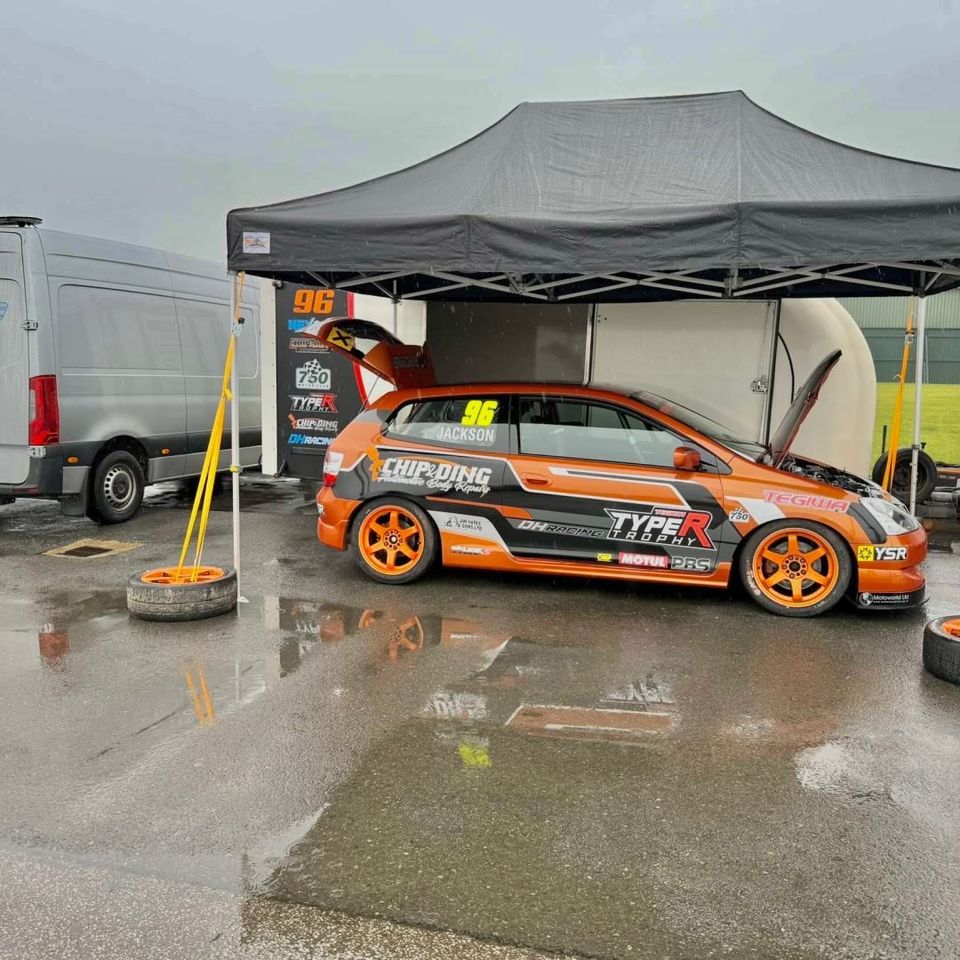
Are Hillclimbs and Sprints Good for Beginners?
Yes. Hillclimbs and sprints are widely seen as the best way into competitive motorsport, with no wheel-to-wheel racing, classes for almost any car, and a paddock known for being friendly to newcomers.
Classes run from road-going hatchbacks to purpose-built single-seaters. To compete you need a Motorsport UK competition licence, and an entry-level licence covers most speed events. Many venues also run driving schools. Licence grades and requirements change, so check the current rules with Motorsport UK and your organising club before you enter.
Weighing up where to start? Our get into motorsport guides walk through the options, the racing licence guide covers getting licensed, and the low cost racing guide shows how affordable speed events can be.
What Kit Do You Need for a Speed Event Paddock?
A speed event paddock needs a heavy duty pop up race tent, weights for every leg and, for championship regulars running a trailer, a sturdier awning. Teams who want to show their colours can add a printed tent.
- Pop up race tents: up in minutes, no tools, and folded away for the drive home. 3m x 3m and 3m x 4.5m suit most speed event bays.
- Race tent weights: essential backup for pegs on grass and exposed hillsides.
- Heavy duty motorsport awnings: a sturdier all-weather base for championship regulars with a trailer.
- Branded motorsport tents: custom printed canopies and side walls in your own and your sponsors' colours.
Not sure what suits your setup? Tell us your car and how you travel, and we will talk it through.

Hillclimb and Sprint Paddock FAQs
What is the difference between a hillclimb and a sprint?
What licence do you need for hillclimbing or sprinting?
What do you need to bring to a hillclimb or sprint?
What size awning do you need for a speed event?
Do hillclimb venues have power in the paddock?
How do you anchor a gazebo on grass at a hillclimb?
Are hillclimbs and sprints good for beginners?
More Paddock Setup Guides