How to Get Into Motorsport in the UK
Getting into UK motorsport starts with three things: book a track day to get circuit time, apply for a race licence through Motorsport UK, and pick an affordable entry-level discipline such as karting or club racing. A first track day costs from around £150, and you can be competing in a one-make series for under £5,000 a season. This guide walks you through every step, from your first session to your first race weekend. Need a paddock base to work from? Request a callback and we will point you to the right setup.
Start With Track Days
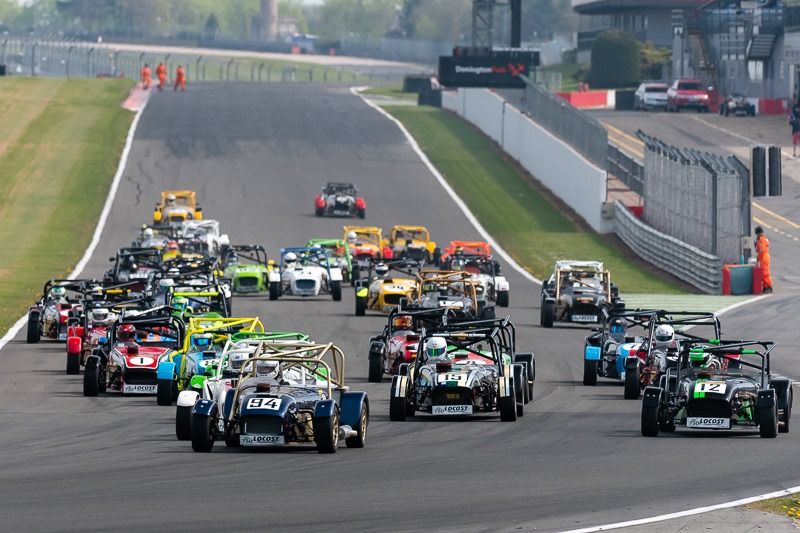
The easiest way into motorsport is a track day, where you drive a circuit at your own pace with no competition and no licence required. Sessions start at around £150 to £300, so it is the cheapest way to find out whether racing is for you before spending real money.
A track day gives you:
- Clean circuit driving with no wheel-to-wheel pressure
- The choice of using your own road car or hiring a track-prepared one
- Time at iconic UK venues such as Brands Hatch, Oulton Park and Donington Park
Organisers like MSVT, Javelin Trackdays and Opentrack run beginner-friendly days throughout the year. If you want to prepare before you go, our first track day guide covers what to bring, how the day runs and how to get the most from your sessions.
Sim racing is a useful companion to real track time. A basic setup costs from around £200 and lets you learn circuits and racecraft from home, which is how plenty of real drivers practise between events.
Get Your Race Licence
To race competitively on a circuit you need a licence from Motorsport UK. There are two you will meet first:
RS Clubman
Free to hold, and ideal for auto tests, sprints and club events. It is the entry point if you want to start competing without committing to circuit racing straight away.
Interclub
Required for circuit racing, and obtained through the ARDS test. To get it you buy a Go Racing pack from Motorsport UK, which costs £99 and includes your application form, medical form and your first licence.
The ARDS course and test cost between £200 and £400 depending on the circuit and tuition included. Most major venues run ARDS member schools, including Silverstone, Brands Hatch, Oulton Park and Knockhill, with a written test on racing knowledge and a practical driving assessment. After six Interclub races you can apply for your National licence, which opens up more competitive events.
Choose Your First Discipline
UK motorsport offers several affordable ways in. The right one depends on your budget, the kind of driving you enjoy and how much time you can give it.
Karting
The cheapest route to real racing experience, with indoor and outdoor kart clubs across the country. It teaches racecraft that transfers directly to cars.
AutoSolo and Autotest
Timed events on coned courses, excellent for learning car control on a small budget.
Club Racing
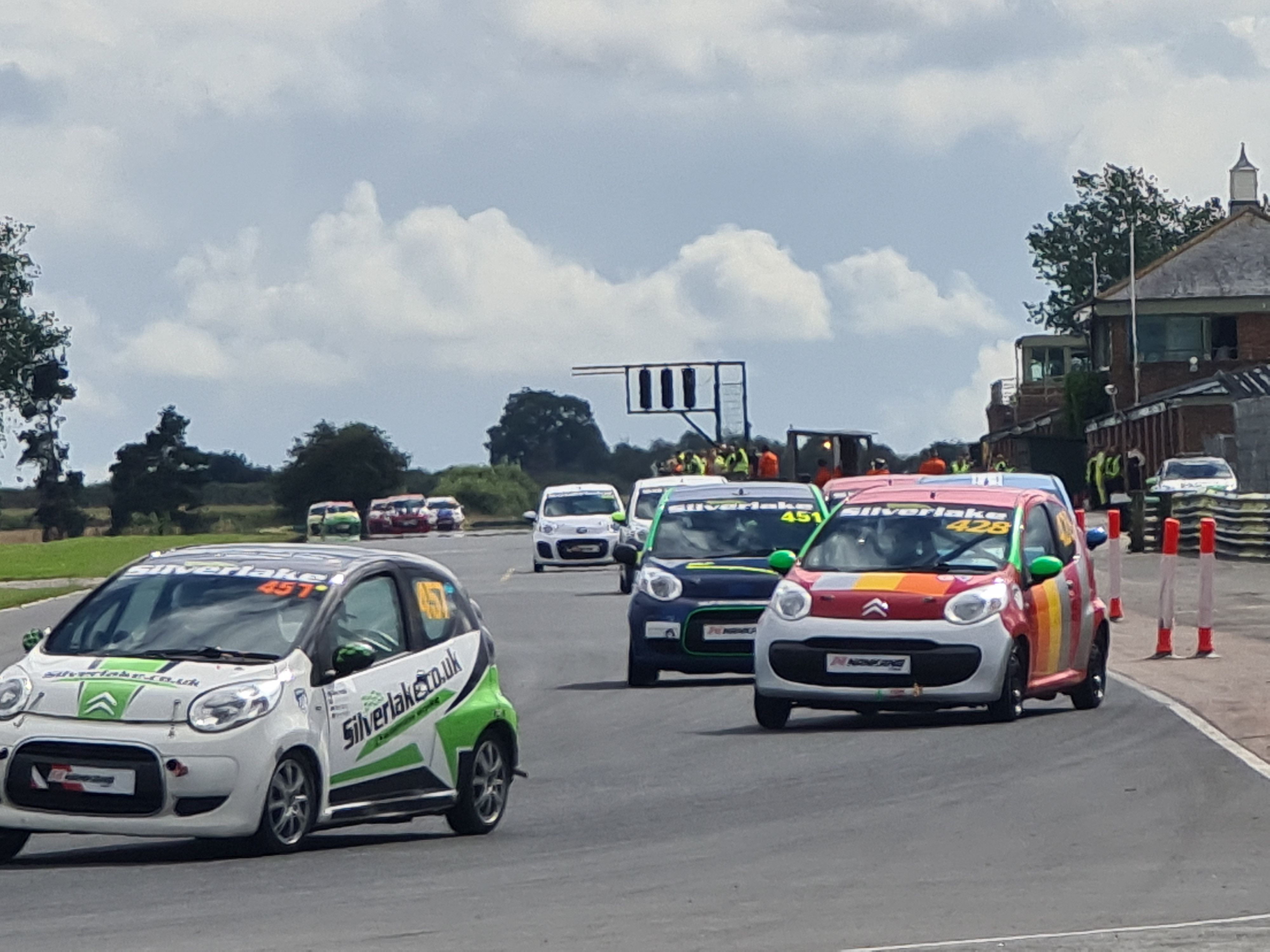
Run by clubs such as the BRSCC, 750 Motor Club and MSVR. Series like C1 Racing, Mazda MX-5 and BMW Compact Cup are deliberately cost-conscious entry points.
One-Make Series
Equal machinery puts the focus on the driver. Caterham Academy and Fun Cup Endurance are strong examples of a level grid for newcomers.
If keeping costs down is your priority, our low-cost racing guide breaks down the cheapest credible ways onto a UK grid.
Invest in Essential Safety Gear
Safety equipment is mandatory for racing and must meet the required standards. Your core kit is:
- An FIA-approved helmet
- A fire-retardant race suit to FIA standard
- Racing boots and gloves
- A front head restraint system such as a HANS device
Brands like OMP, Sparco and Stilo cover the range from entry-level to professional. Costs vary by specification, and this is one area where it pays to buy quality rather than the cheapest option.
Getting a Race Car
Once you have chosen a series, you need a car. There are three main routes depending on budget and how hands-on you want to be.
Arrive and Drive Packages
The simplest start for a beginner. You get a prepared race car, transport and team support in one deal, available in series such as C1 Racing and Caterham Academy. It is the fastest way onto the grid without owning or maintaining a car.
Buy a Used Race Car
Affordable and widely available through series websites, RaceCarsDirect, forums and Facebook groups. Many come with trailers and spares, which suits privateers running on a budget.
Build or Convert Your Own
If you are mechanically minded, you can convert a road car to race specification with a roll cage, race seat, harness, extinguisher, rain light and cut-off switch. Safety upgrades typically start from around £1,000. Always check your series regulations and budget for running costs including tyres, fuel and transport.
Set Up Your Race-Day Base
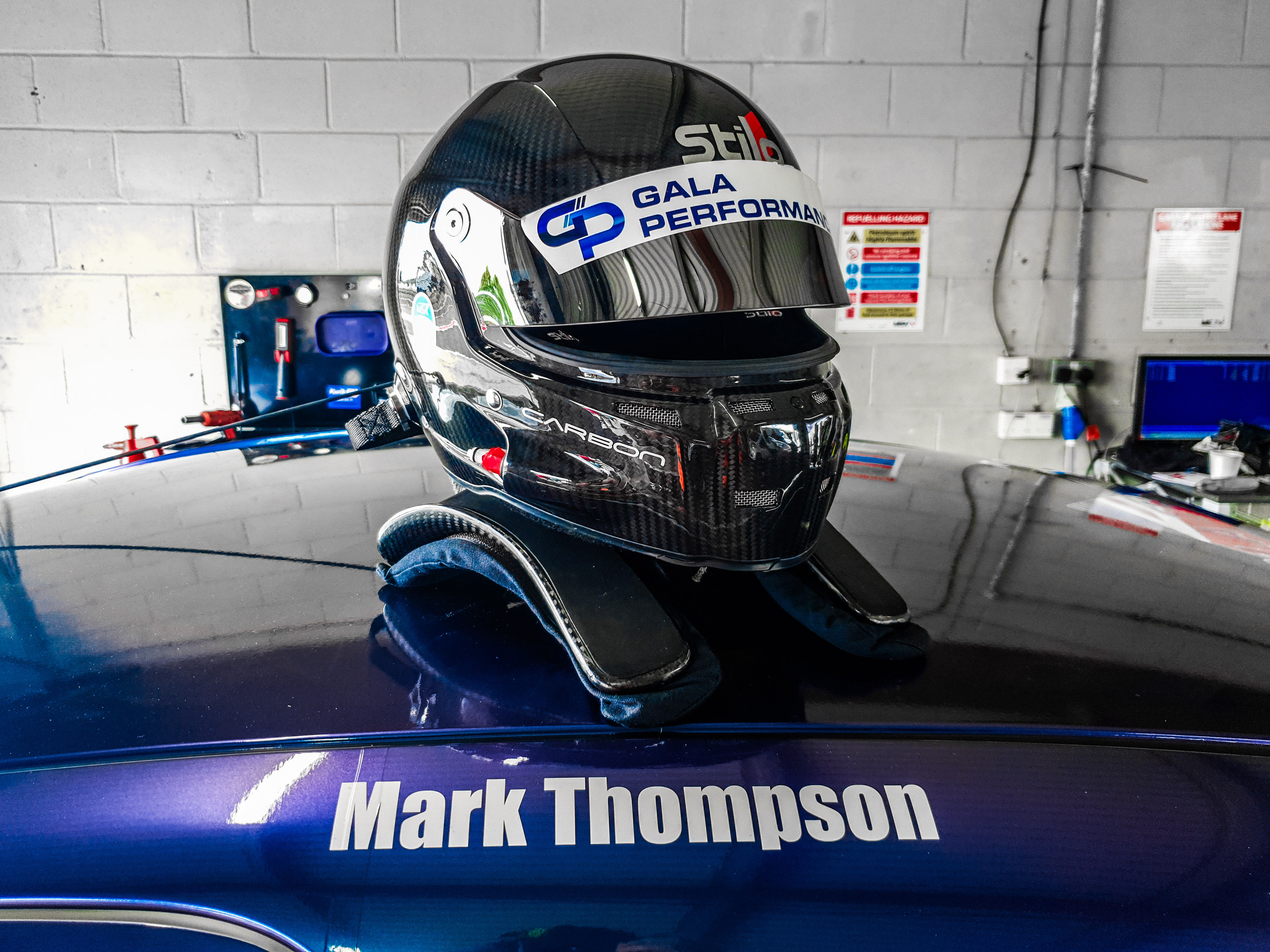
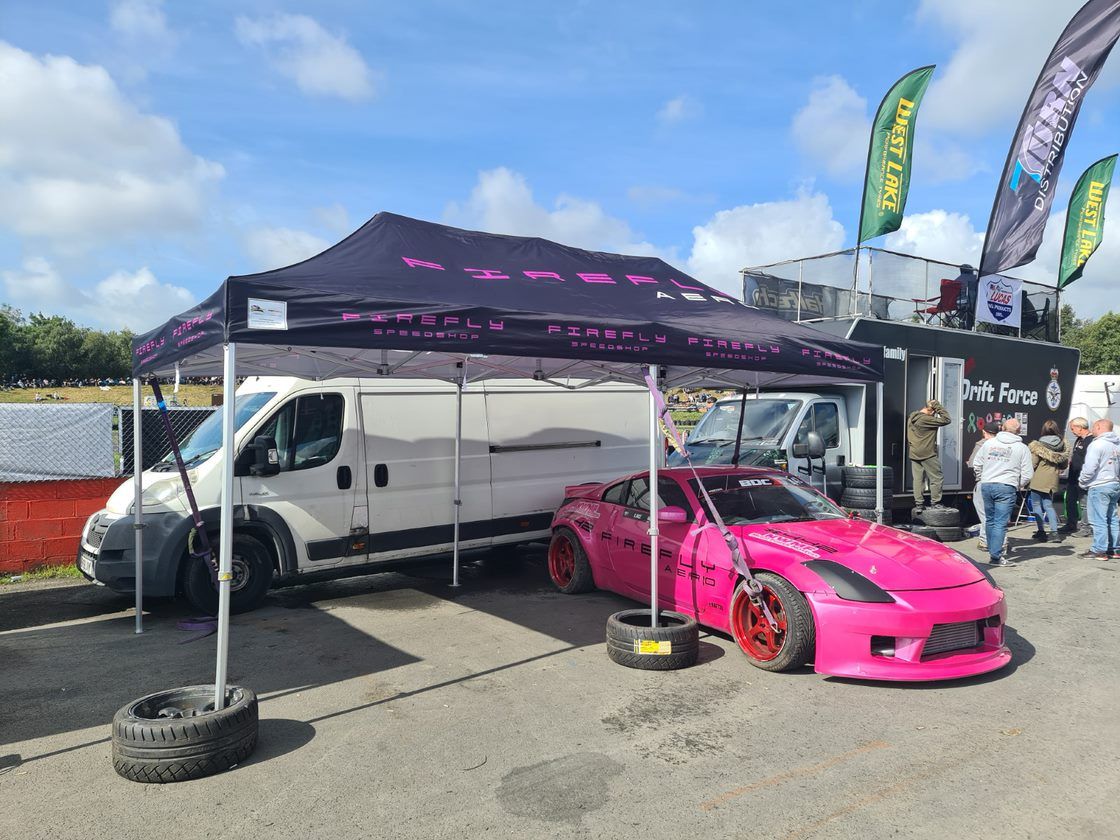
With the licence, the gear and the car sorted, you need a proper pit or paddock base to work from and to keep your team and equipment out of the weather. This is where Gala Performance comes in, with a full range of race-day essentials:
- Pop-up race tents and motorsport awnings in multiple sizes, with optional custom printing in your team livery
- Swisstrax modular flooring for grip, comfort and a clean, professional-looking garage
- Pit garage walling to section off and brand your space
- Promotional printing, from banners and flags to full team branding
- For endurance teams, a pop-up pit perch for a raised view over the pit wall
Whether you are a solo club racer or running a full team, the right setup helps you look professional, stay organised and stand out in the paddock. To talk through a setup for your series, contact the team.
What to Expect at Your First Race Day
Your first event is exciting and intense, and a little knowledge makes it far less daunting. Here is how the day usually runs.
Typical Race Day Schedule
- Early arrival, with most paddocks open by 7am for sign-on, scrutineering and the drivers' briefing
- Scrutineering, where officials inspect your car and safety gear for compliance
- Practice and qualifying, giving you track time to learn conditions and set your grid position
- The race itself, with close competition and quick decisions
- Post-race checks, especially if you finish near the front
First Race Day Tips
- Bring plenty of water, food and spare tools
- Label everything, from helmet to tyres, to avoid mix-ups
- Stay calm and aim to finish rather than win on your debut
- Talk to other drivers, who are usually happy to help a newcomer
The mental side matters as much as the mechanical. Our guide to the psychology of the paddock looks at how the right environment and mindset shape how you perform.
Other Forms of Motorsport
Circuit racing is the common starting point, but it is not the only one. Two popular alternatives have their own routes in.
Rallying
If gravel, tarmac stages and pace notes appeal, rallying could suit you. Apply for a Go Rallying pack from Motorsport UK, pass a basic exam and safety briefing, and you can enter single-venue events from around £200. Used rally cars start from around £4,000. It rewards car control and quick adaptation in changing conditions.
Motorcycle Racing
For two wheels, join a club such as Bemsee, complete the ACU Competitor Training Course and a Basic Rider Assessment, and you can race. Beginner packages start around £500, including practice and several races. It demands focus, fitness and confidence.
Build Your Profile While You Race
Getting onto the grid is the start. Funding a season and growing as a driver are what keep you there. Two things make the biggest difference early on:
- Sponsorship, to offset the cost of racing. Our guide on how to get motorsport sponsorship covers finding backers, writing a proposal and what sponsors actually want in return.
- A personal brand, so teams, sponsors and series know who you are. Our guide to building your personal brand as a racer shows how to do it without a marketing budget.
Frequently Asked Questions
Can I race without any prior experience?
How much money do I need to start racing?
Do I need a racing licence for track days?
What is the best car to start racing in the UK?
Can I rent a race car to get started?
Is there an age limit to start racing?