The Psychology of the Paddock: How Environment Shapes Performance
At Gala Performance, we see the same pattern every season. Teams with tidy, well-designed awnings and structured paddock setups do not just look organised. They work calmer, communicate cleaner and recover faster when things go wrong. That is paddock psychology in action, and it starts long before the car rolls to the assembly area. Planning your paddock? Request a callback and we will point you to the right kit.
The Science of Calm
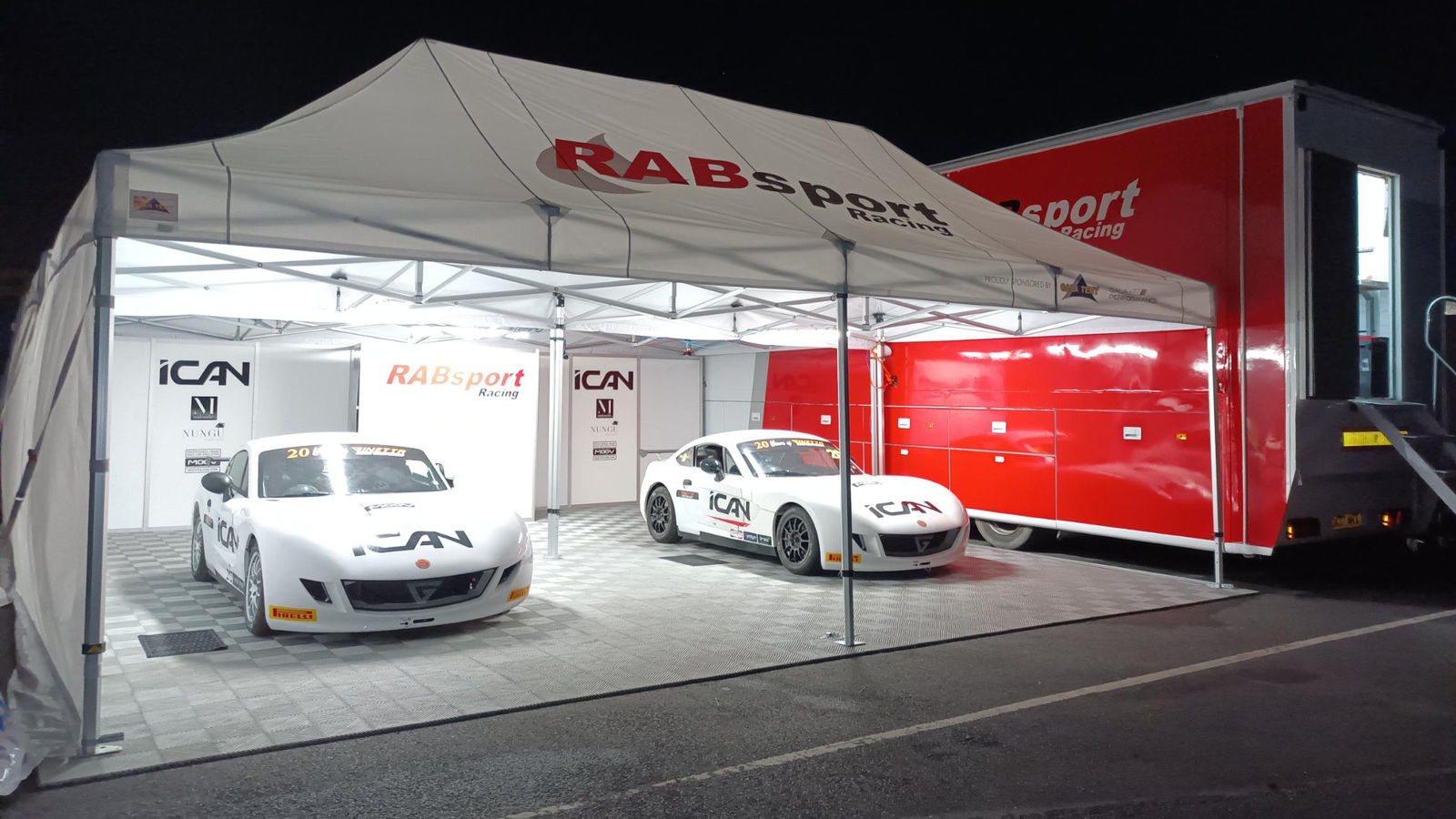
Sports psychology has shown for years that surroundings affect mindset. Clutter spikes stress. Order supports focus. In motorsport, where decisions are made in seconds, the impact is amplified.
A well planned paddock:
- Reduces cognitive load - people spend less brainpower hunting for kit or figuring out where to stand
- Creates repeatable routines - same layout, same cues, same workflow from circuit to circuit
- Helps drivers and engineers settle into a familiar rhythm, even at a brand new track
It is the same logic you see in an F1 garage: clearly defined zones, strict layout discipline, minimal visual noise. Most club and national teams do not have carbon-fibre floors or huge crews, but the mental benefit of a repeatable, structured environment applies at every level, from club racing and sprint series through to endurance weekends.
First Impressions: The Power of Professionalism
A professional looking paddock doesn’t just impress Instagram. It changes how people behave inside it.
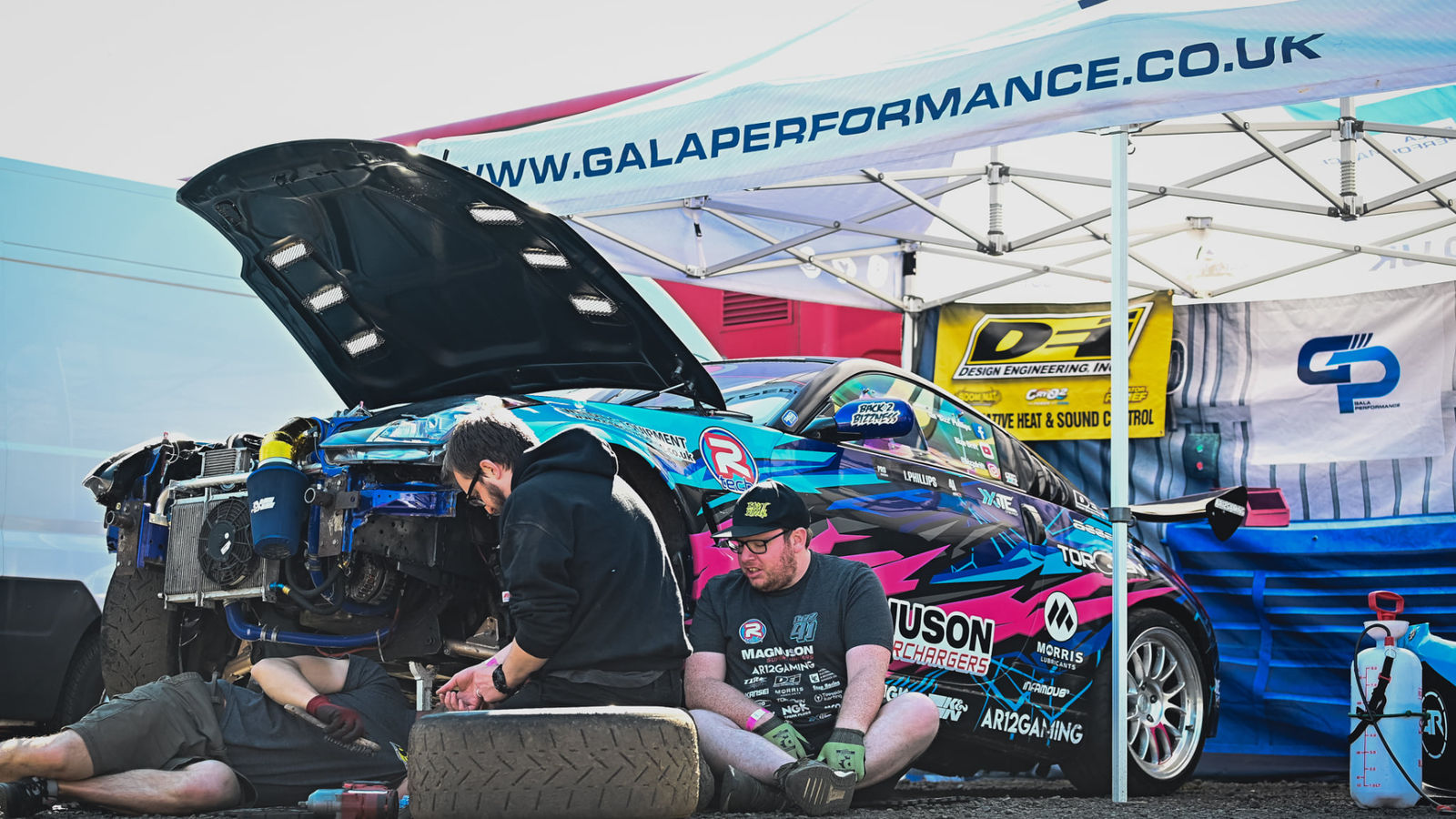
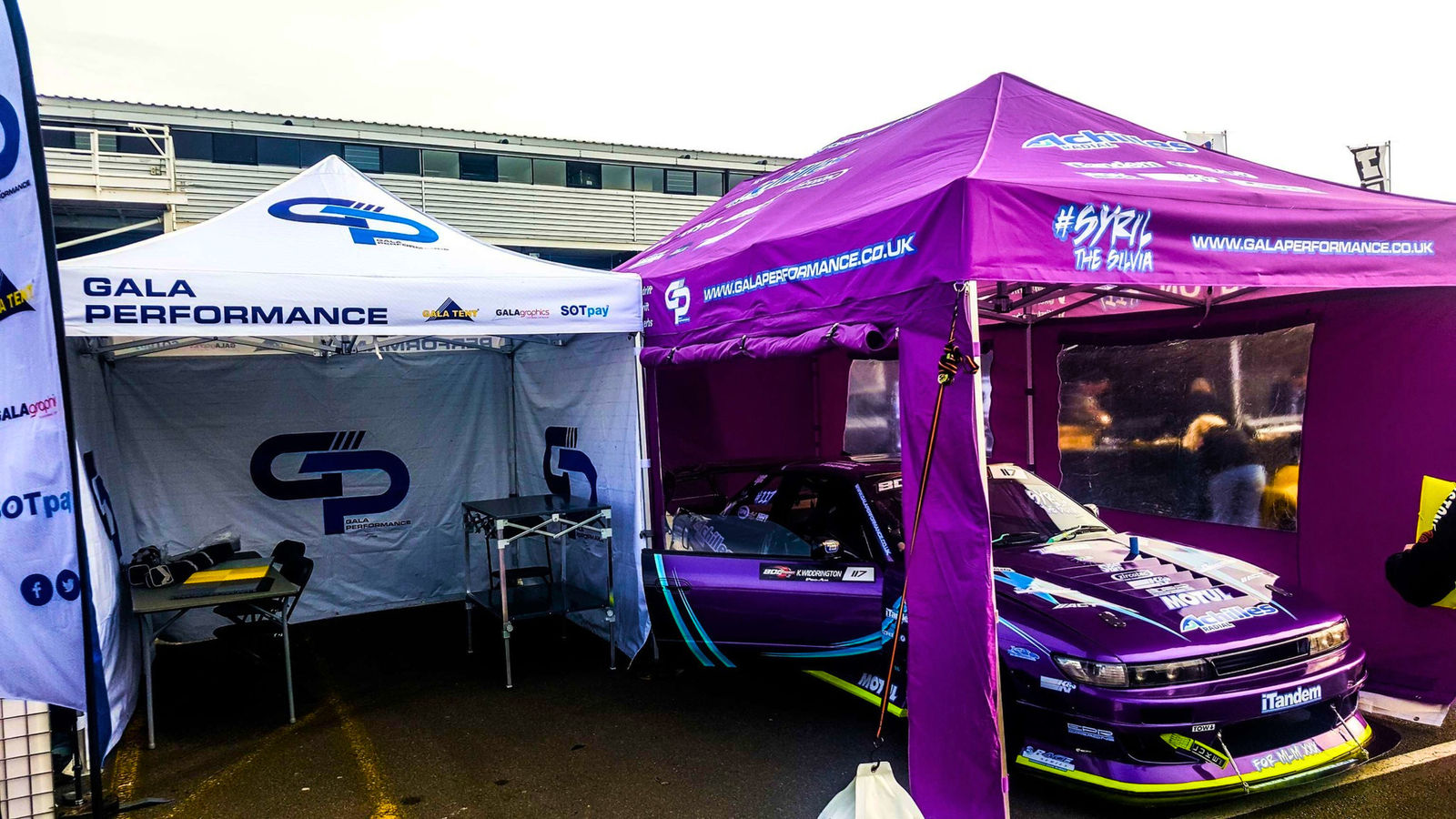
When your race tent, pit walling and flooring look clean and intentional, it:
-
Signals standards to the team – people are more likely to keep it tidy and work methodically
-
Builds confidence in drivers – everything feels “big team” even at club level
-
Reassures sponsors and partners – their brand is being presented in a serious environment
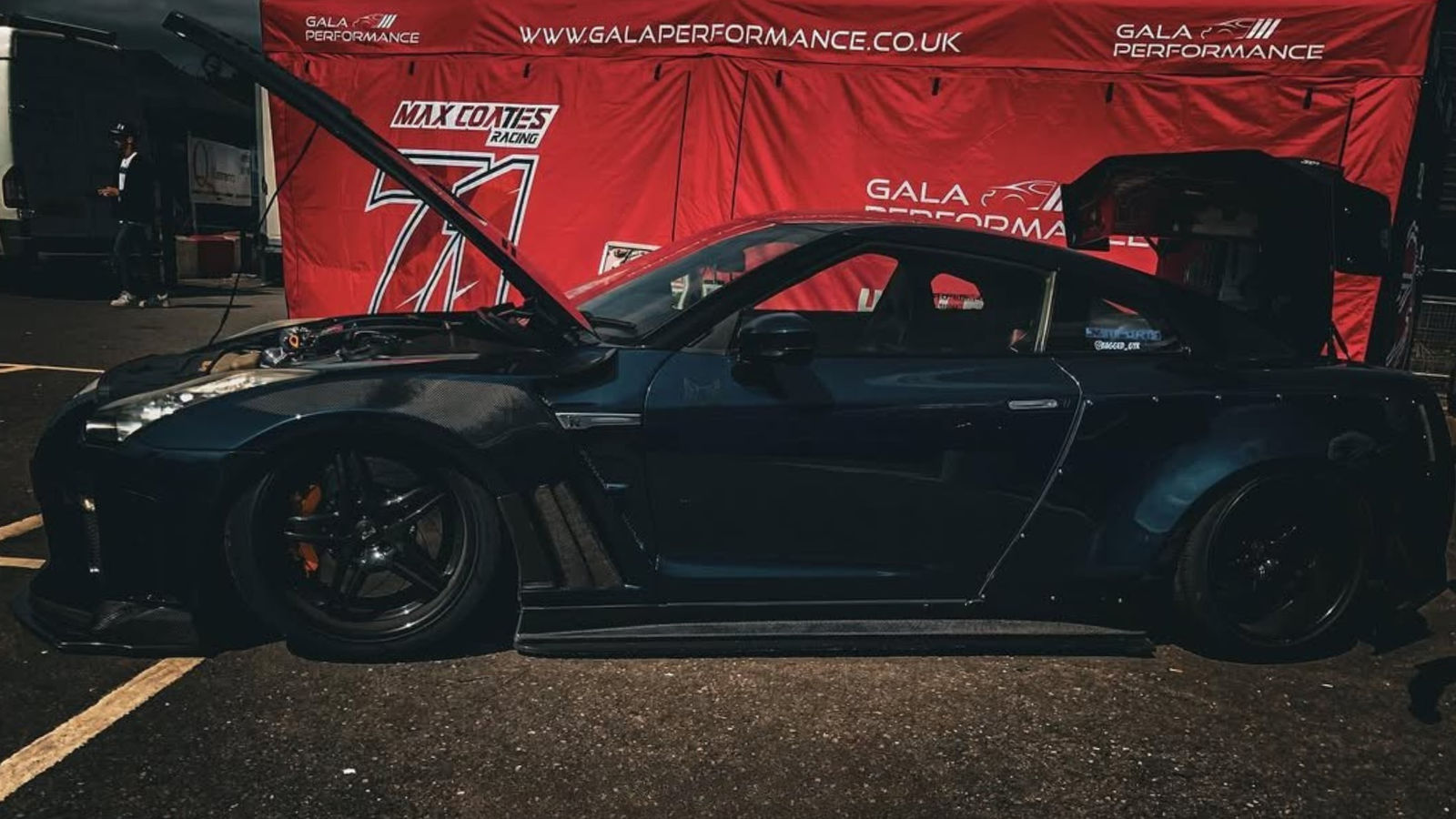
Simple upgrades – printed roof valances, branded race gazebo walls, or a Swisstrax floor – instantly move a paddock from “temporary shelter” to “race base”. That visual step up often brings a mindset step up with it.
Order Equals Focus
Chaos doesn’t just waste time; it drains composure.
A mechanic digging through a pile of tools or cables isn’t only losing seconds – they’re being kicked out of a flow state into frustration. Over a long race weekend, those moments add up.
That’s why the most effective teams build their paddock layout around clear zones:
-
A tools and spares area
-
A wheels and tyres zone
-
A data and comms space
-
A genuine rest corner
Gala Performance pit walling systems and Swisstrax modular flooring help teams define these zones physically. Once every trolley, gun and laptop has a home, the brain starts to trust the space. People move with confidence instead of hesitation – and that’s when consistency appears.
Light, Colour and Comfort: The Subtle Science
Small details quietly shape how people think across a full weekend of racing, testing or track days.
Lighting
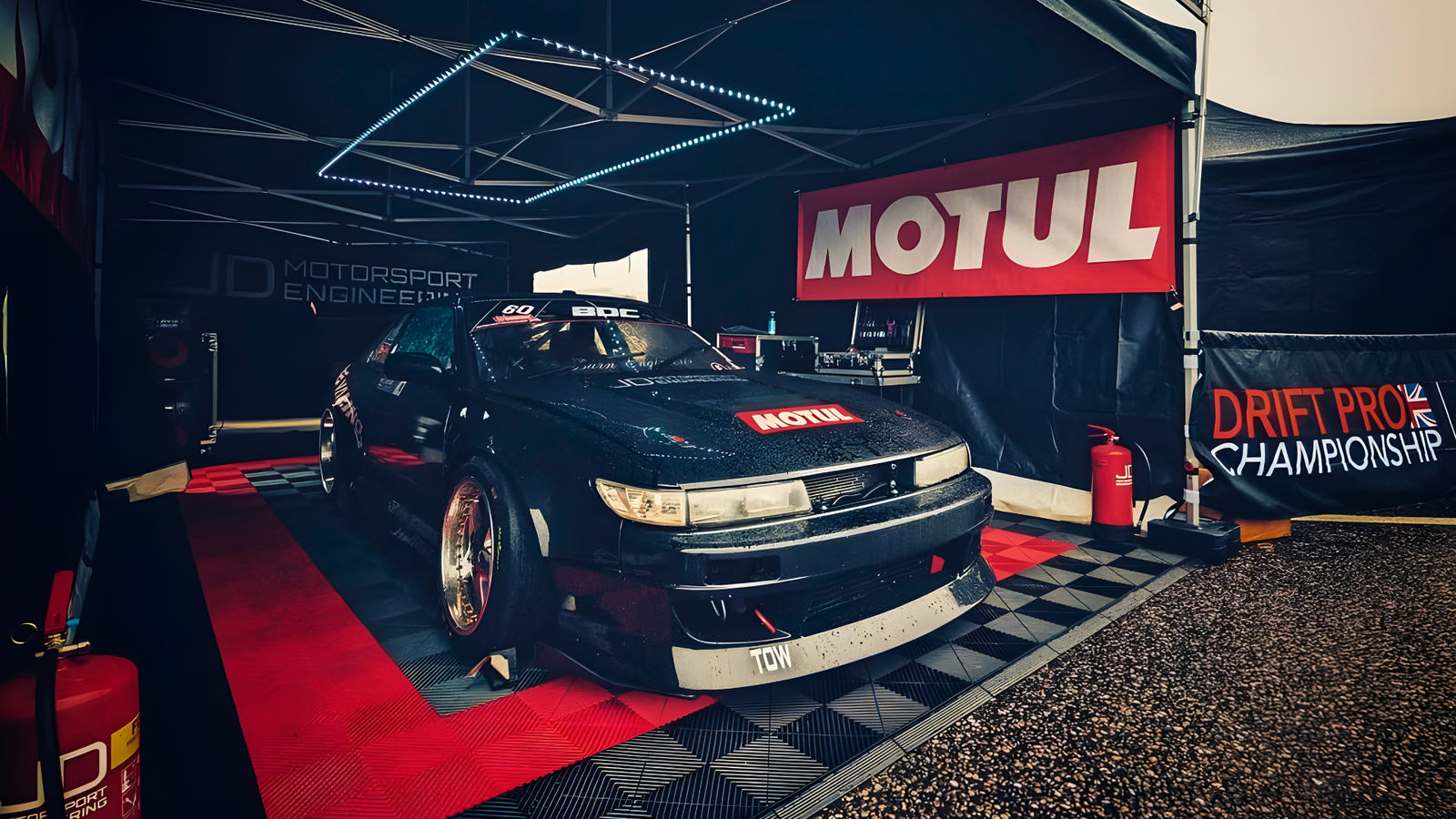
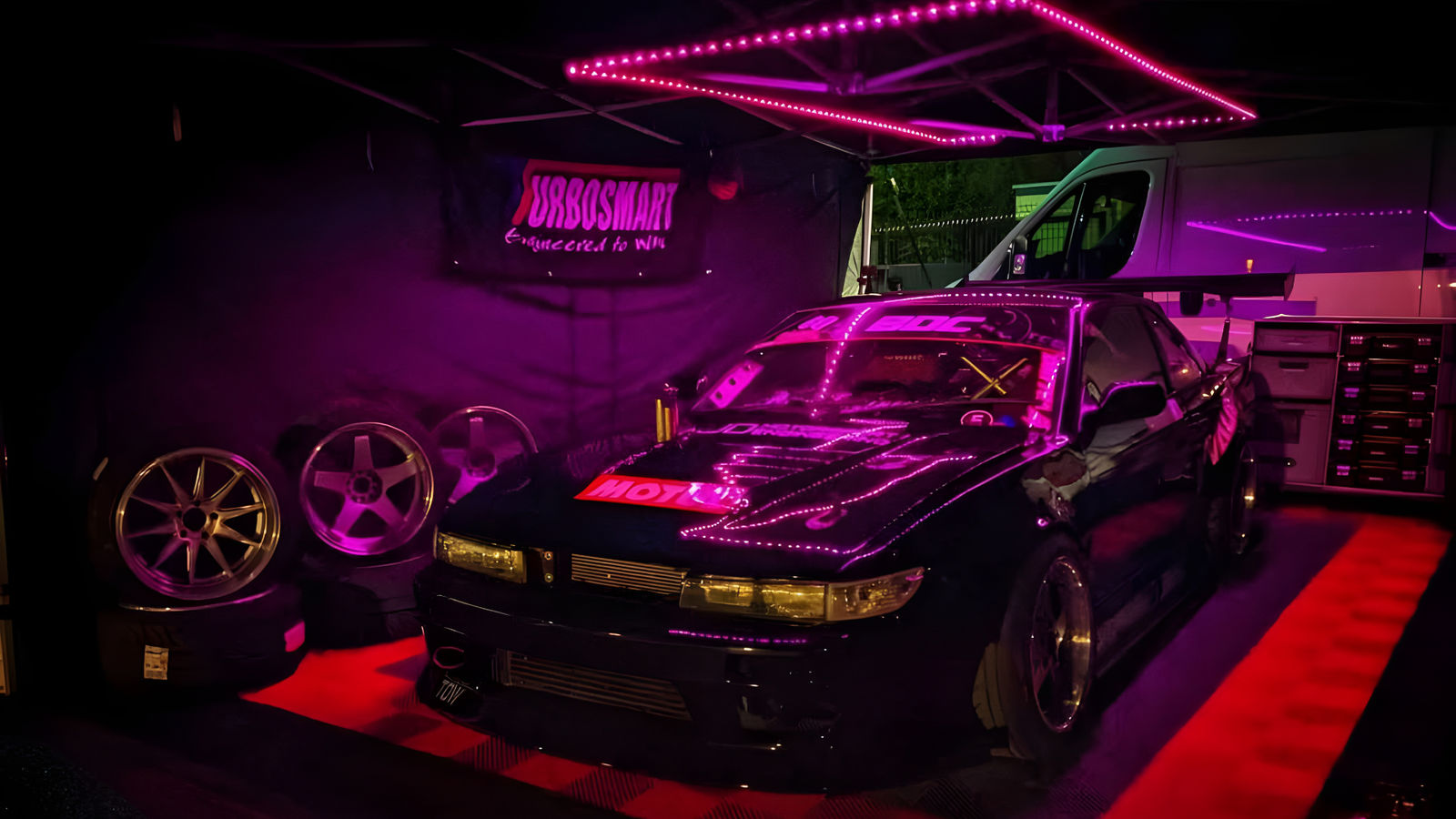
Good light reduces eye strain and helps engineers and mechanics stay sharp, especially during late sessions or endurance events. LED lighting inside an awning or pit perch makes tasks quicker and more accurate.
Colour
Strong brand colours in banners, tents and walling build identity and authority, but too much visual noise can be distracting. Many teams use darker tones for structure, with brighter accents and sponsor logos where they matter most.
Comfort
Ventilation, shade and sensible space planning keep fatigue at bay. In summer paddocks or hot garages, airflow and layout can make the difference between a crew that fades by mid-afternoon, and one that still has clarity at the end of a race.
Our Pro 40, Pro 50 and Pro 60 race awnings can all be paired with LED lighting, breathable sidewalls and flooring to create a controlled paddock environment that works in every UK season.
Team Flow: Calm Under Pressure
A paddock is part workshop, part control room, part living space. When it is designed well, it becomes a mental anchor, especially in hectic qualifying sessions or safety car scrambles.
Simple rules help:
- Strategy and comms at the front of the awning, facing pit lane or paddock traffic
- Mechanics working behind in a clear space, away from constant interruptions
- A quiet zone for drivers and engineers to review data or decompress
Teams using a Gala Performance Pop-Up Pit Perch often report that race weekends feel calmer. Everyone knows where decisions are made and where information comes from. Instead of shouting across awnings, communication runs through a focal point, and that structure is a big part of staying composed.
Branding As A Confidence Tool
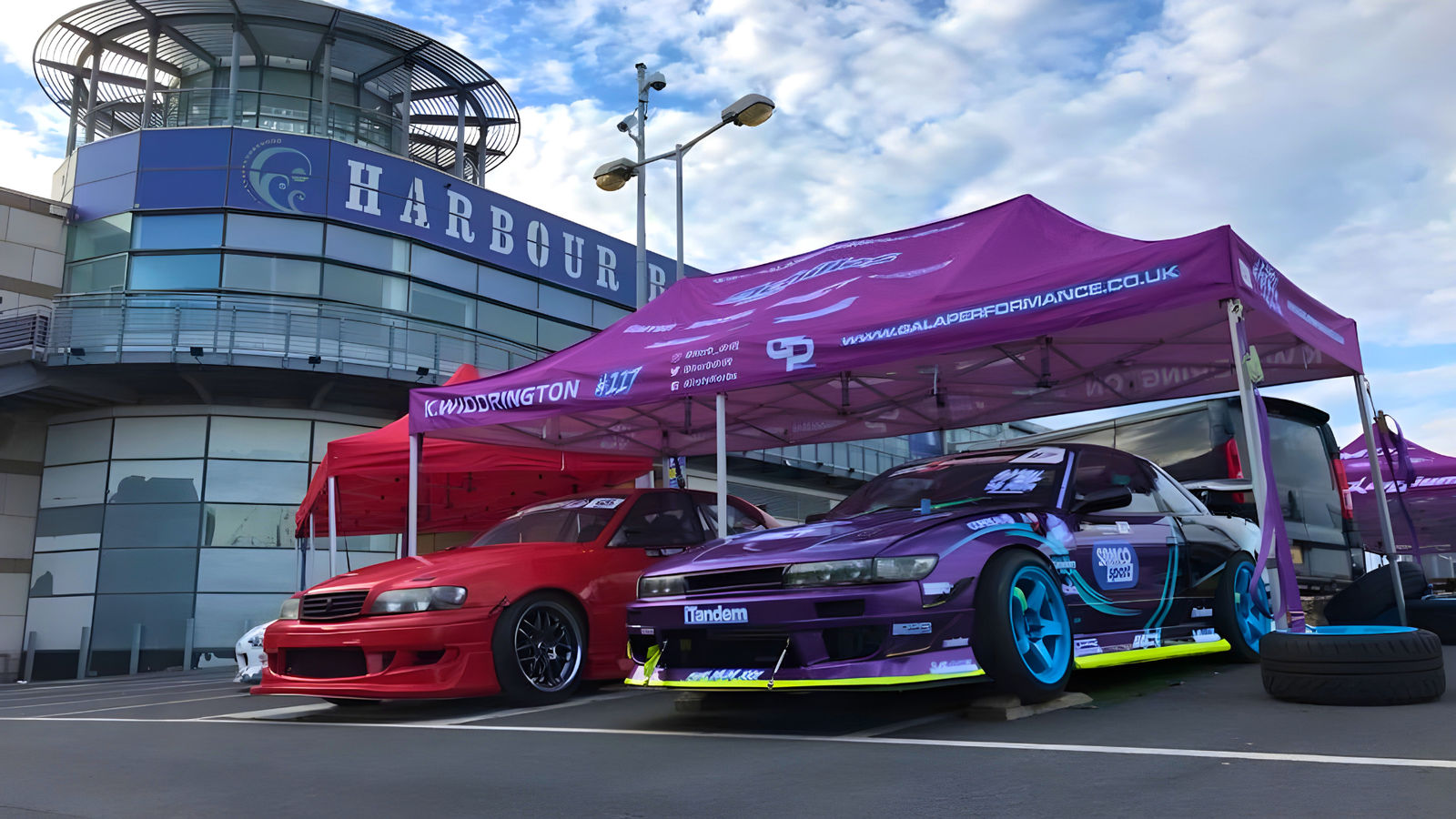
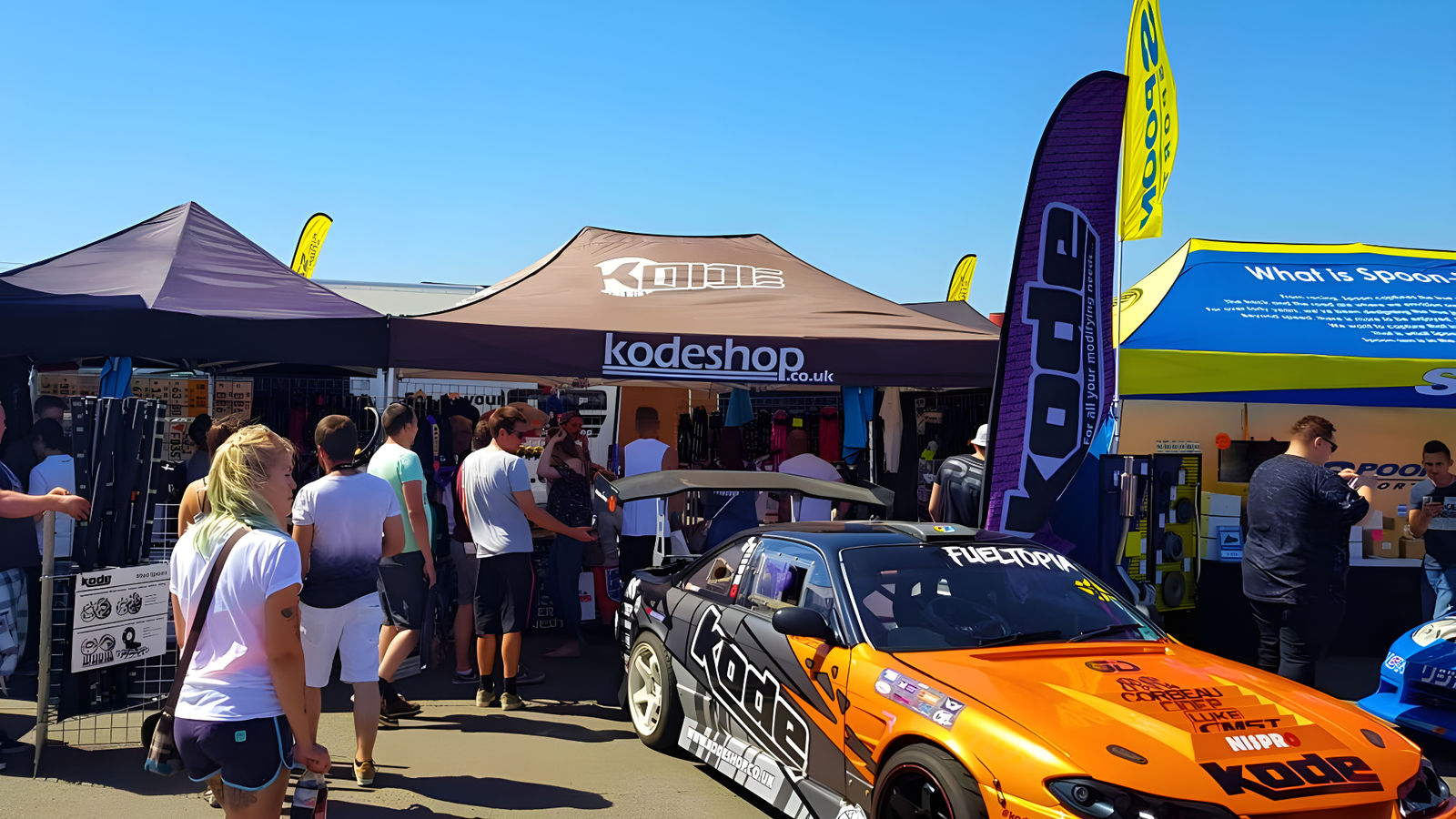
When your paddock carries your colours, logos and sponsors consistently – across awnings, pit walling, flags and banners – it starts to feel like a proper team hub rather than somewhere you happen to park the car.
That has three benefits:
-
Drivers walk in and feel they’re part of something established
-
Crew members operate with more pride and ownership
-
Sponsors can see, photograph and share their branding easily
It creates a loop of reinforcement: professional environment → professional mindset → professional behaviour. That’s why we offer custom printed race tents, awnings and paddock branding that match your team identity down to the last hex code.
This isn’t vanity; it’s applied psychology.
Lessons From The Pros
Look at WEC, GT and top-level endurance paddocks and you’ll see the same ideas repeated:
-
Clear floor tiles and lanes
-
Structured cable runs and lighting rigs
-
Tidy tyre stacks and labelled storage
-
Strong, consistent branding
Those details aren’t there just for TV pictures. They reduce friction, protect focus and make it easier to do the basics right when pressure peaks.
Grassroots and club teams can apply the same logic with more accessible kit:
-
Swisstrax or other modular flooring instead of bare tarmac
-
Pit walling instead of open clutter
-
Printed gazebos instead of mismatched shelters
The cost scales with the level, but the mindset gain is similar wherever you race.
Building Your Own Performance-Driven Paddock
If you want a paddock that supports both performance and psychology in 2026, start with four pillars:
-
Layout – Plan zones for strategy, tools, tyres, data and rest before you arrive at the circuit.
-
Lighting – Use LED strips in awnings and pit perches so every task is clearly lit.
-
Branding – Keep your visual identity consistent across tents, walls, flooring and flags.
-
Discipline – Stick to the same layout every weekend so the crew builds muscle memory.
Your paddock should feel controlled, calm and purposeful the moment you unzip the sidewall – not like a temporary campsite.
Frequently Asked Questions
How does paddock layout affect team performance?
Can the design of a race tent really affect mindset?
What are the most important elements of a performance-driven paddock?
How can smaller teams achieve a professional paddock look on a budget?
What’s the easiest way to keep a paddock organised during race weekends?
More From the Gala Performance Blog
- The 2026 paddock space checklist
- Race paddock equipment guide
- Meet the INFL8 inflatable motorsport shelter
- Gala Performance x BPC Motorsport: the 2025 C1 season
- Fun Cup testing with Gala Performance
Build the Paddock You Have Just Read About