Karting Paddock Guide: Setting Up for a Club Race Day
Karting is where motorsport begins — the first rung for most drivers, and a proper family day out at club level. The kart is small, but a race day is a long one, and your paddock is the base the whole day runs from: somewhere to work on the kart, shelter from the Great British weather, and keep the family comfortable between heats. This guide covers how to set up a karting paddock and what you need for a race day. Just starting out? Request a callback and we will point you to the right kit.
What to Expect from a Kart Race Day
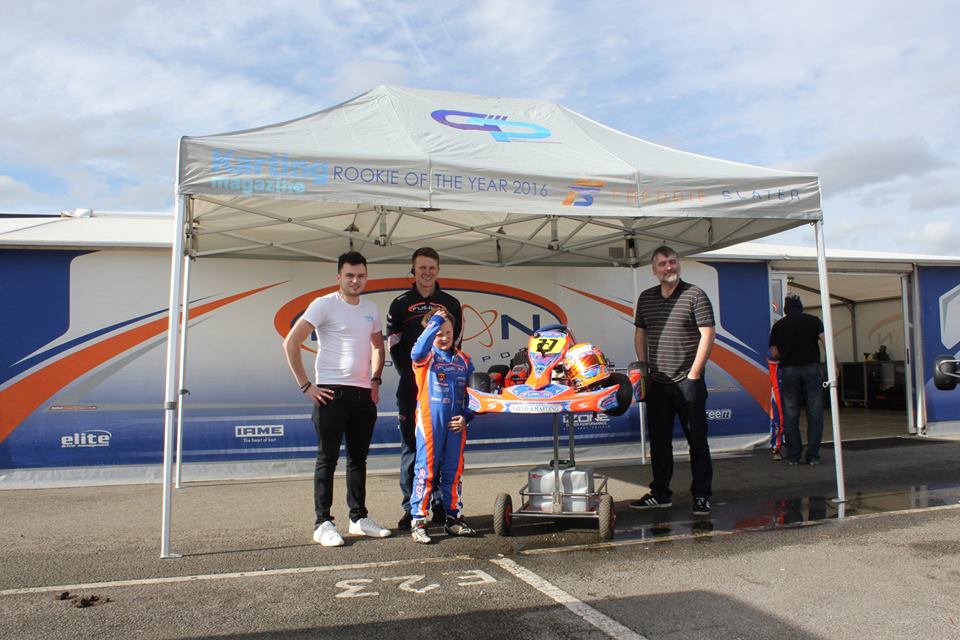
Karting is the most accessible motorsport there is, with classes for all ages from Cadet upwards and both arrive-and-drive series, where the karts are provided, and owner-driver racing in your own machine. It is where names from every top championship cut their teeth, and at club level it stays refreshingly affordable and welcoming.
A race day is a full one. Track action usually starts around 10am with practice, then racing from late morning — typically two or three qualifying heats followed by a final, running on a loop by class with a break for lunch. You will sign on, have the kart scrutineered against the regulations including minimum weight, and collect a transponder for timing. Between all that, you are back in the paddock preparing the kart, checking tyre pressures and getting the driver ready — which is exactly why a good base matters.
What a Karting Paddock Is Like
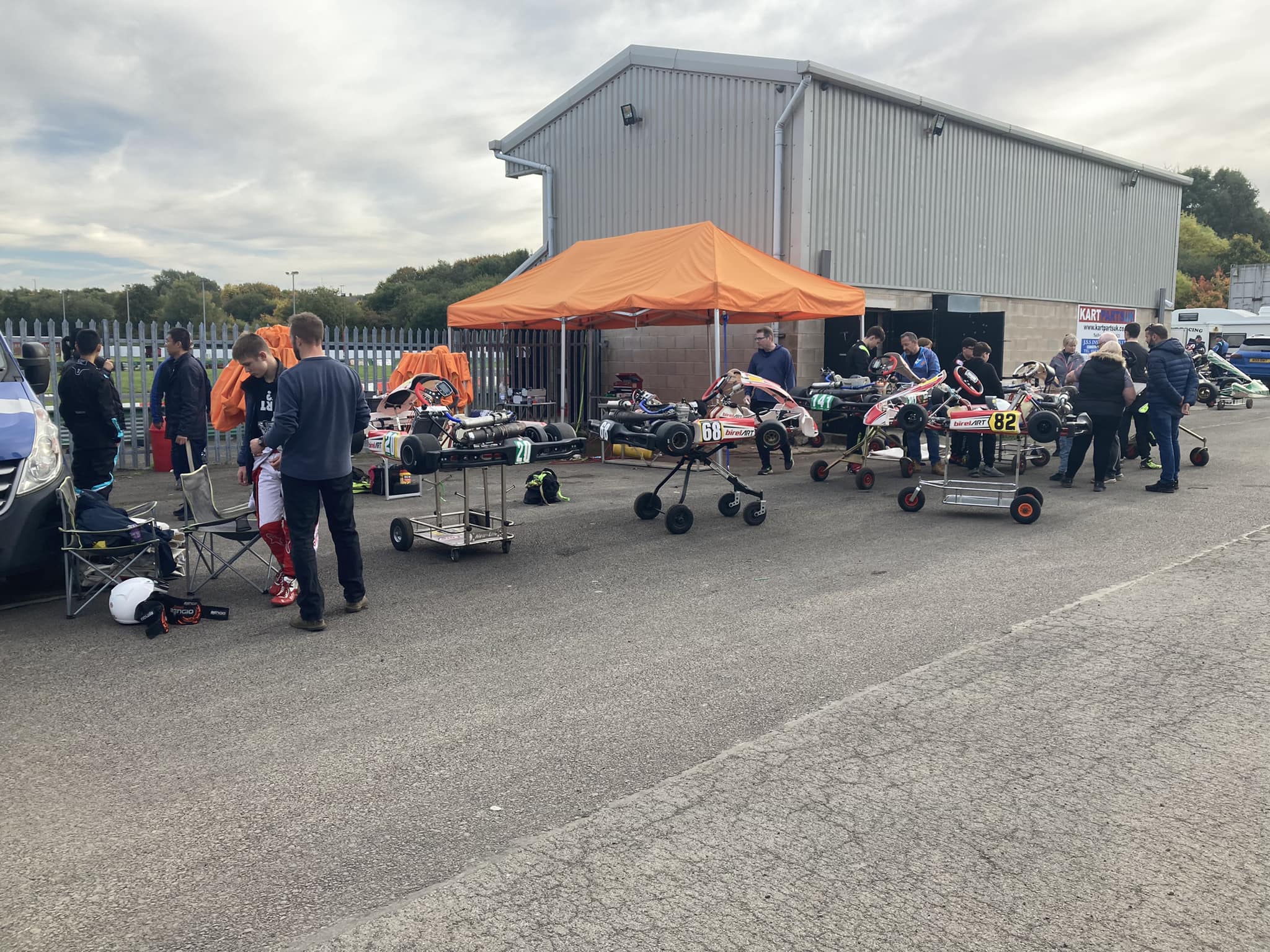
Karting paddocks are compact, busy and friendly. A kart takes up little room, but you still need a proper working base, because your day revolves around the kart trolley or stand — the near-essential bit of kit you use to move the kart around the pits and raise it to a comfortable working height. Set your space up around it.
One thing to know before you arrive: at many clubs the pit bays are reserved by teams for the season, so check the information board on the way in for which bays are free. You may end up further from the dummy grid than you would like, so leave plenty of time to get there for your heats. It is also a family sport — cadets and juniors race with parents running the pit — so your base often needs to work for the whole crew, not just the driver.
Your Paddock Base: Compact but All-Weather
Because the kart is small and space can be tight, a compact, quick-to-pitch pop up race tent is the ideal karting base — up in minutes, room for the kart on its trolley, tools and tyres, and shelter for the family.
- A 3m x 3m suits a single kart and is easy to fit into a tight bay; 3m x 4.5m gives more room for spares, seating and the family.
- Karters race in the rain, so all-weather shelter is a must — somewhere dry to work on the kart and to keep the driver warm between heats.
- Running with a team or a group? A larger shared awning spreads the cost and gives everyone a proper base.
Our race tent size guide helps you match the size to your setup.
Anchoring and Staying Put
Kart circuits come with all sorts of paddock surfaces — tarmac, hardcore, and plenty of grass and gravel — so anchor for the ground you are on. On grass, long pegs and guy ropes are a good start, but back them up with weight; on hard standing, weights are the whole job. Load every leg with proper marquee and gazebo weights, because a busy kart paddock full of children is the last place you want a gazebo taking off in a gust.
It is worth carrying a few practical extras too: a mallet for pegs, and something to keep small parts out of the grass. Anyone who has spent ten minutes hunting for a dropped bolt in a gravel paddock learns to bring a magnetic tray to their second meeting.
Making a Long Family Day Work
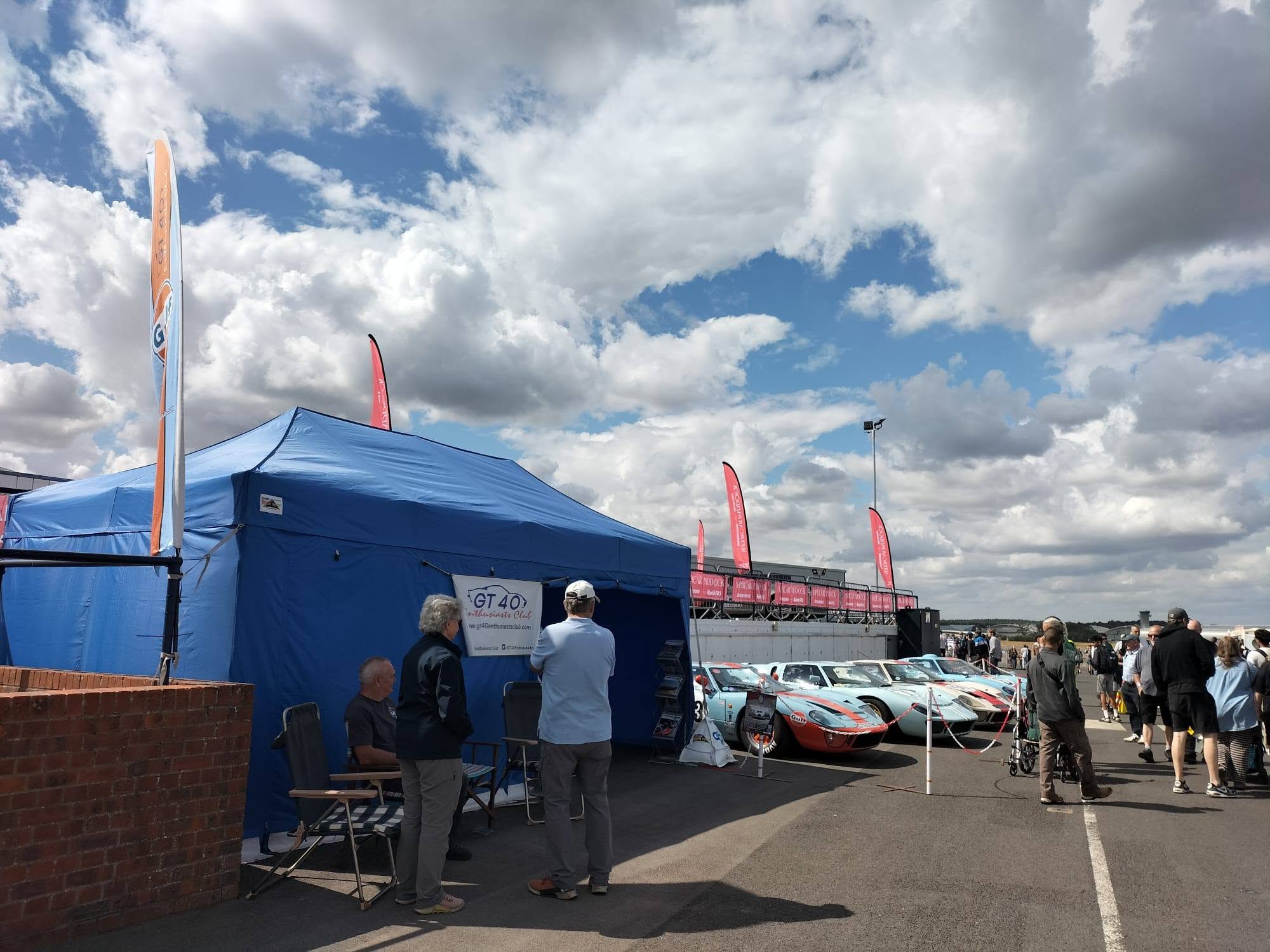
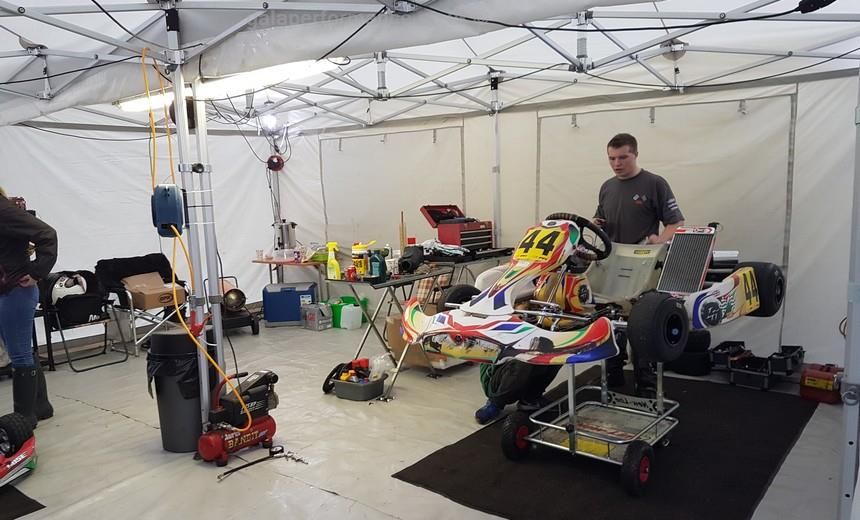
A kart race day runs from early morning to late afternoon, and for a cadet or junior it is very much a family effort. That means your paddock base is not just a workshop — it is where the driver rests and warms up between heats, where the family shelters from sun or rain, and where everyone regroups over lunch. Building a bit of comfort into it makes the whole day better.
Set it up with a clear working area around the kart trolley on one side and a calmer space with seating on the other. Keep the driver warm, dry and hydrated between sessions, and you will have a happier, sharper racer on the grid. The families who enjoy karting most are the ones whose paddock works as a proper base for the day, not just a place to park the kart.
Getting Started in Karting
If you are just beginning, the best advice is to visit a local kart club, watch a meeting and talk to the drivers and families before buying anything. Choosing the class first — based on the driver's age, weight and experience — matters more than choosing the kart. Many people start with an arrive-and-drive series such as Club100, where identical karts are provided, before moving to owner-driver racing.
To race your own kart in Motorsport UK competition you will typically need club membership, the relevant competition licence and an ARKS test, while free K-X licences cover many arrive-and-drive classes. Our get into motorsport guides cover the wider picture, the racing licence guide explains licensing, and the low cost racing guide helps keep the budget sensible.
Kitting Out Your Kart Paddock
Gala Performance builds motorsport structures in Britain, and we race ourselves, so the range suits everyone from a first cadet meeting to a full karting team.
- Pop up race tents — the karting hero: compact, up in minutes, and all-weather. 3m x 3m and 3m x 4.5m.
- Marquee and gazebo weights — anchor every leg, essential in a paddock full of children.
- Heavy-duty awnings — a larger shared base for a team, club or group of families.
- Branded motorsport tents — for karting teams and schools that want to look the part.
Not sure what suits your setup? Request a callback and we will talk it through.
What do you need for a kart race day?
What size awning do you need for karting?
Do you need a licence to go kart racing?
Is karting a good family day out?
How do you anchor an awning in a kart paddock?
What age can children start karting?