Knockhill Circuit Guide: Scotland's National Motorsport Centre
Knockhill is a 1.27-mile circuit in the hills of Fife, about six miles north of Dunfermline, and it is Scotland's national motorsport centre — the only FIA-approved circuit in the country. Short, steep and packed with elevation, blind crests and quick direction changes, it is the only Scottish round for both the British Touring Car Championship and British Superbikes. Here is the layout, the history, the racing, and what its exposed, far-north hillside means for setting up your team.
Where Is Knockhill Circuit?
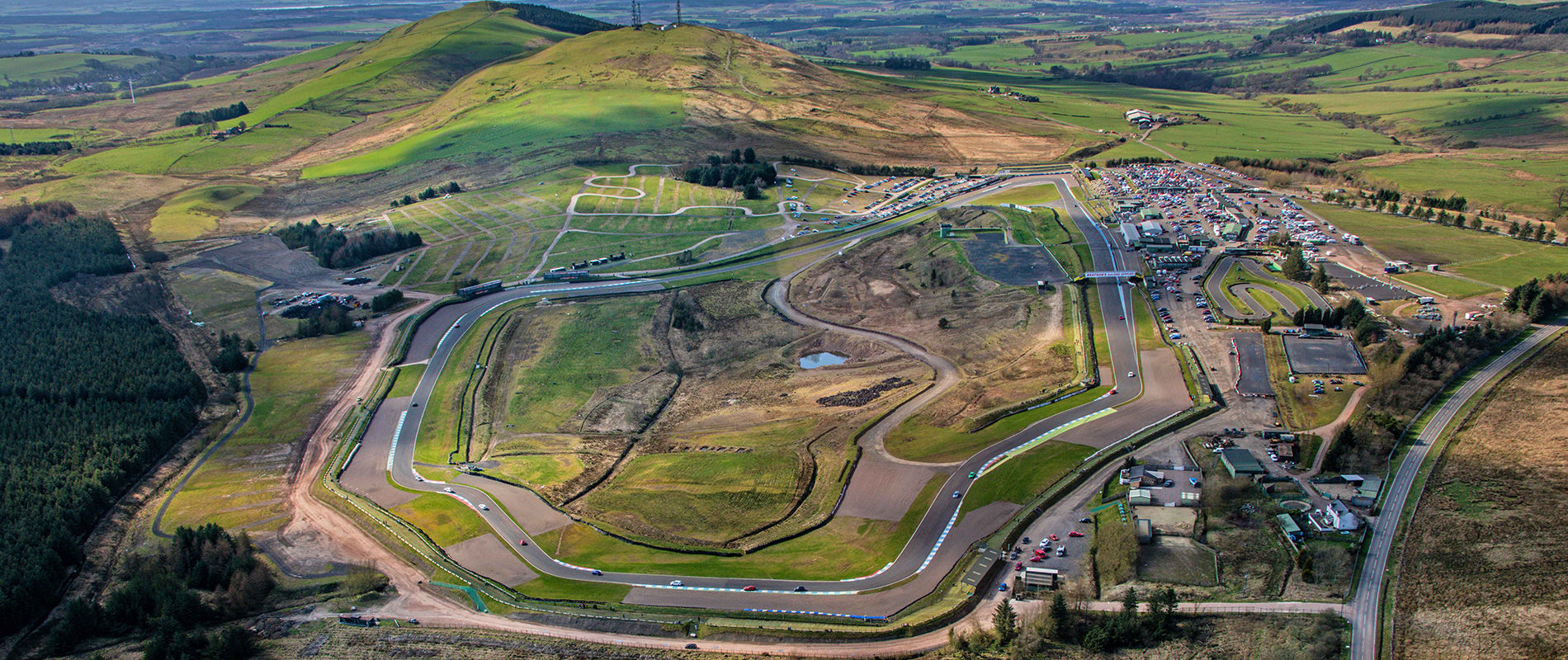
Knockhill sits high in the countryside of Fife, about six miles north of Dunfermline and roughly midway between Dunfermline and Stirling. It is Scotland's national motorsport centre and the only FIA-approved circuit in the country, which makes it the natural home for Scottish racing and the one mainland venue north of the border that the big British championships visit.
The circuit is laid out across a natural hillside, giving it an amphitheatre feel with excellent views from the banking. One thing to plan for: for most teams, Knockhill is the longest haul of the season, so it pays to arrive fully self-sufficient and ready for genuine Scottish weather, which is colder, wetter and windier than almost anywhere else on the calendar.
A Short History of Knockhill
Knockhill is the realisation of one man's ambition. Local farmer and motorbike racing fan Tom Kinnaird was tired of travelling the length of the country to watch racing, and realised the service roads and a disused mineral railway on the Fife hillside near his land could be joined into a circuit. He set out with a digger in 1972, carving a track that swooped down the hill before following the old railway line back up through a tight hairpin.
The circuit opened in September 1974, with the first car race the following May. It passed through several owners in its early years before businessman Derek Butcher took it on in the 1980s and invested heavily, transforming Knockhill from a modest club track into the professional, seven-days-a-week venue it is today. The big time arrived in 1992, when the British Touring Car Championship came north for the first time.
The Circuit Layout
Knockhill's International layout runs 2.04 km / 1.27 miles over nine corners and carries an FIA Grade 4 rating. It is one of the shortest circuits the BTCC visits, but it squeezes around 200 feet of elevation change into that short lap, which is what gives it its fearsome character.
A lap climbs to the highest point over a crest, then plunges down through the swooping, blind Duffus Dip, on through Leslie's, Clark's and McIntyre's, before the long haul down to Taylor's hairpin, the tight final corner with long straights either side. Knockhill is also one of very few circuits in the world licensed to run in both directions — it was the first UK track certified to race clockwise and anti-clockwise in the modern era.
What makes Knockhill hard is that it is tight, blind and undulating all at once. The elevation hides the corners until you are committed, there is almost no run-off, and everything happens quickly on such a short lap. It punishes the smallest mistake, which is exactly why drivers love it.
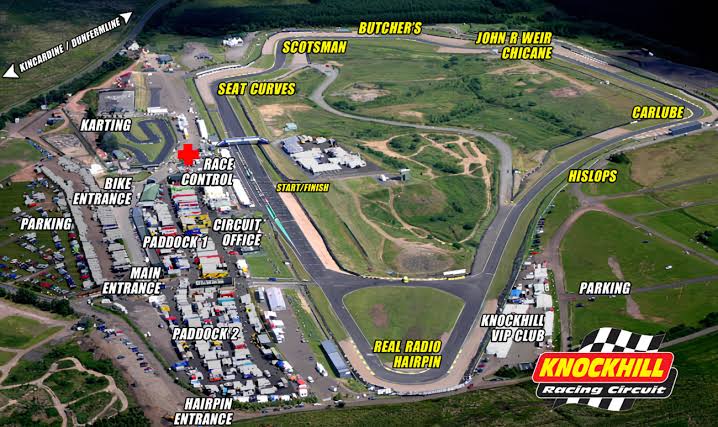
Duffus Dip and Knockhill's Blind Character
If Cadwell has the Mountain and Croft the Jim Clark Esses, Knockhill's signature is Duffus Dip — a fast downhill right-hander with a blind crest on the entry. You commit over the brow before you can see the corner, trusting the line as the track falls away beneath you. It is the corner everyone remembers, and the one that separates the brave from the rest.
But Duffus Dip is really just the headline act in a lap defined by blind, plunging commitment. The elevation and the crests mean you are constantly turning into corners you cannot yet see, and the both-directions layout adds another layer again on the weekends it is run in reverse. Master the rhythm of the hill and Knockhill is one of the most rewarding laps in British motorsport. Get it wrong and there is nowhere to hide.
Racing at Knockhill
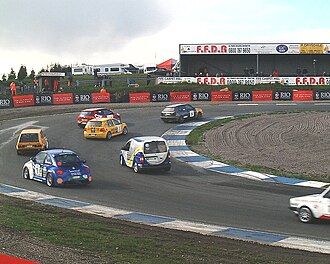
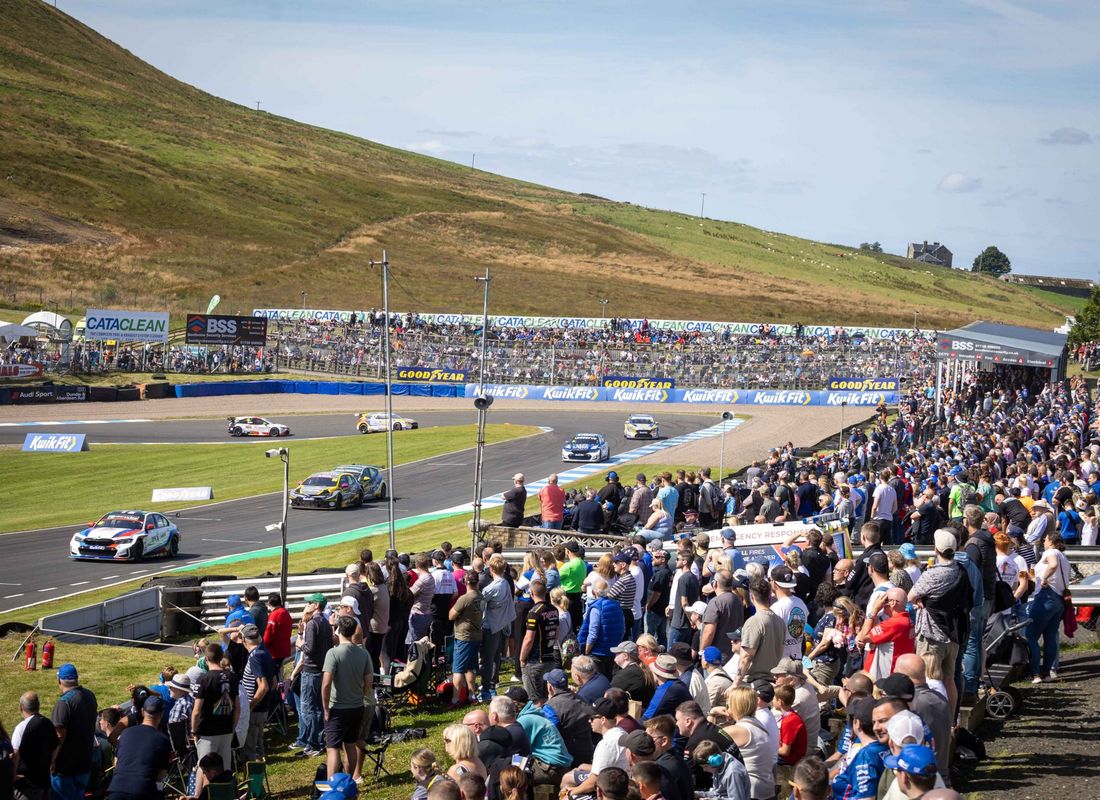
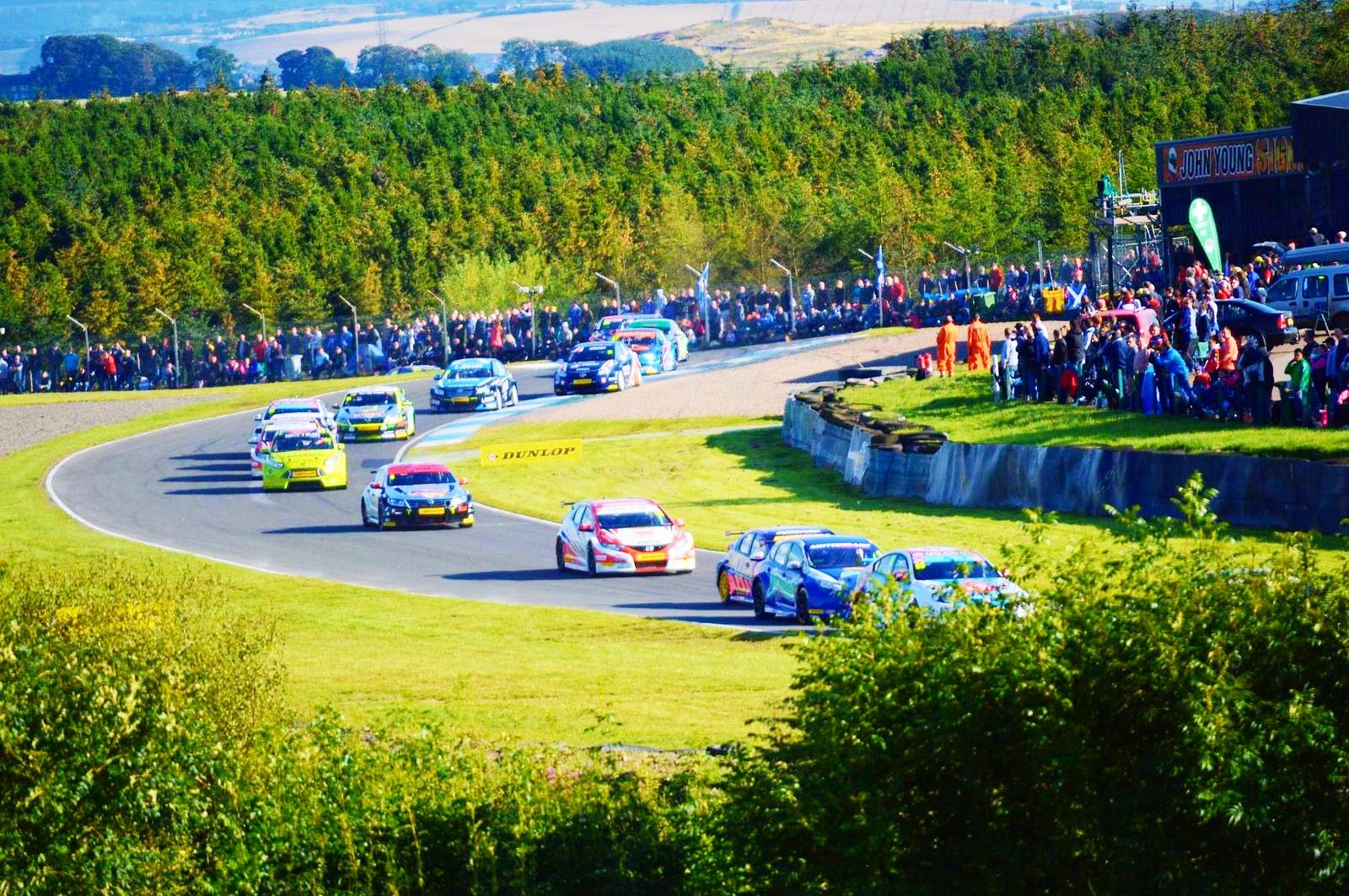
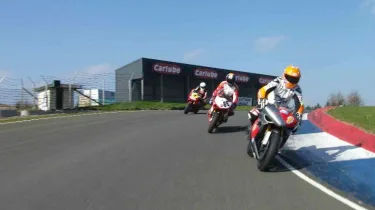
The British Touring Car Championship has raced at Knockhill since 1992, when Jeff Allam took the first win in a Vauxhall Cavalier. It is the championship's only Scottish round and one of the highlights of the Scottish sporting calendar, drawing big, passionate crowds to the banking every summer. British Superbikes have been a mainstay since 1996, and the natural amphitheatre gives fans some of the best views in the country.
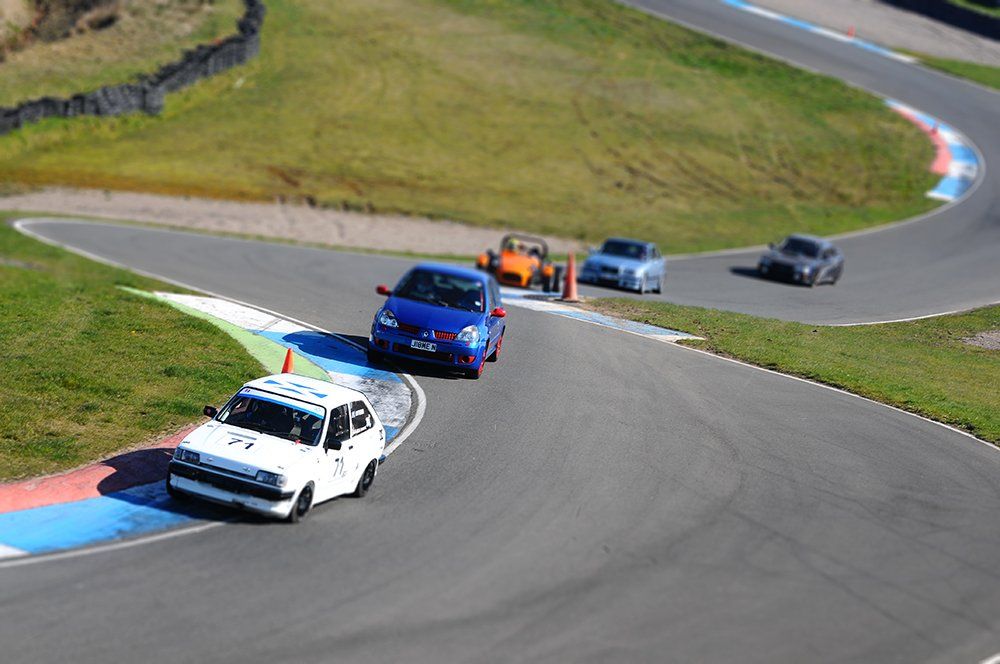
Alongside the headliners, Knockhill hosts British GT support races, TCR UK, a full programme of Scottish championships and club racing, rallycross on its interior section, and busy car and bike track days. If it is your first visit, our first track day guide covers what to bring and how the day runs.
Why Knockhill Is Harder on Paddock Setups Than Most Circuits
Here is the part the circuit guides skip. Knockhill is not just another race weekend — it is a proper expedition, and that changes what your paddock needs to do.
- It is the long haul north. For most teams Knockhill is the furthest round of the year, hundreds of miles from home. You cannot nip back for a forgotten tool or a spare part, so your setup has to be a fully self-sufficient basecamp — everything packed, organised and ready, because there is no popping home.
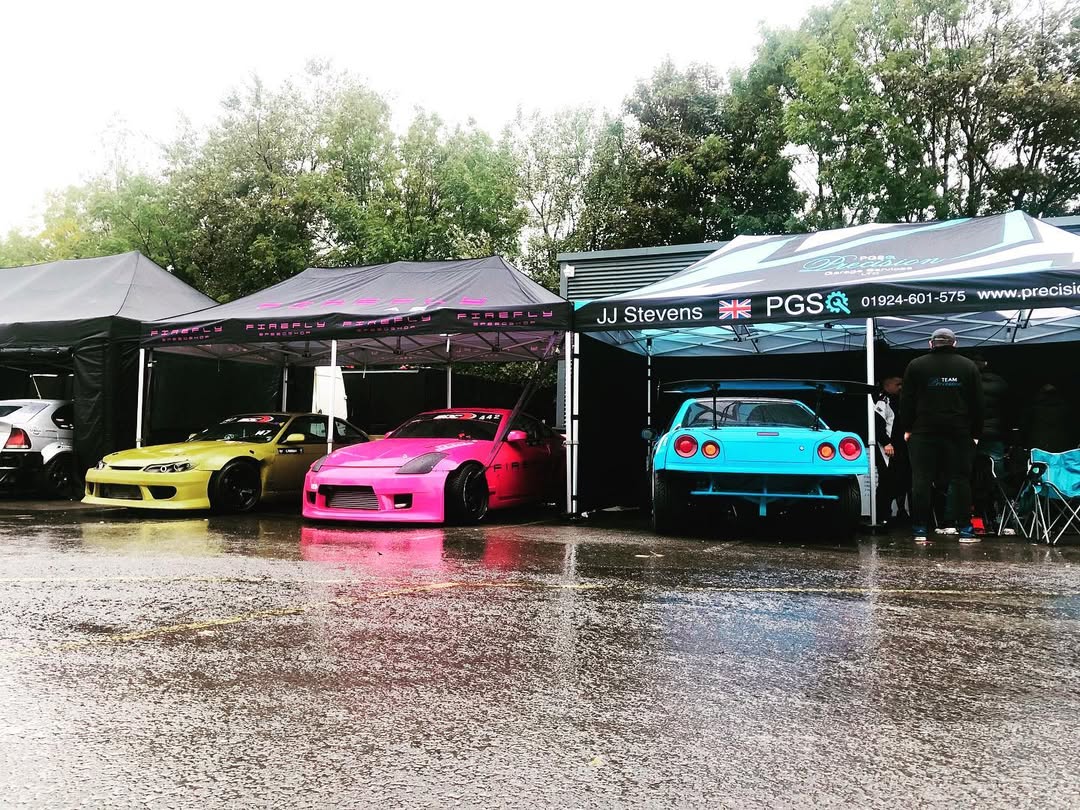
- It is exposed and it is Scottish. Knockhill sits high on an open Fife hillside, and it is one of the coldest, wettest and windiest venues on the calendar, with weather that turns fast. Weatherproof properly — solid sides, a proper roof, somewhere warm and dry to work — and anchor everything for genuine Scottish wind.
- The ground is not always flat. It is a hillside site, so parts of the paddock slope. Pick your pitch carefully and bring anchoring that works whether you are on hard standing or grass.
Whatever the forecast says when you set off, pack for all four seasons, weight every leg, and treat your awning as home for the weekend — because up here, it basically is.
Setting Up Your Paddock at Knockhill
Gala Performance builds motorsport structures in Britain, and we race ourselves, so the range is designed around paddocks like this one — where you have travelled a long way and the weather does the damage.
- Heavy-duty awnings — a fully weatherproof basecamp that keeps a travelled team warm and dry through a Scottish weekend.
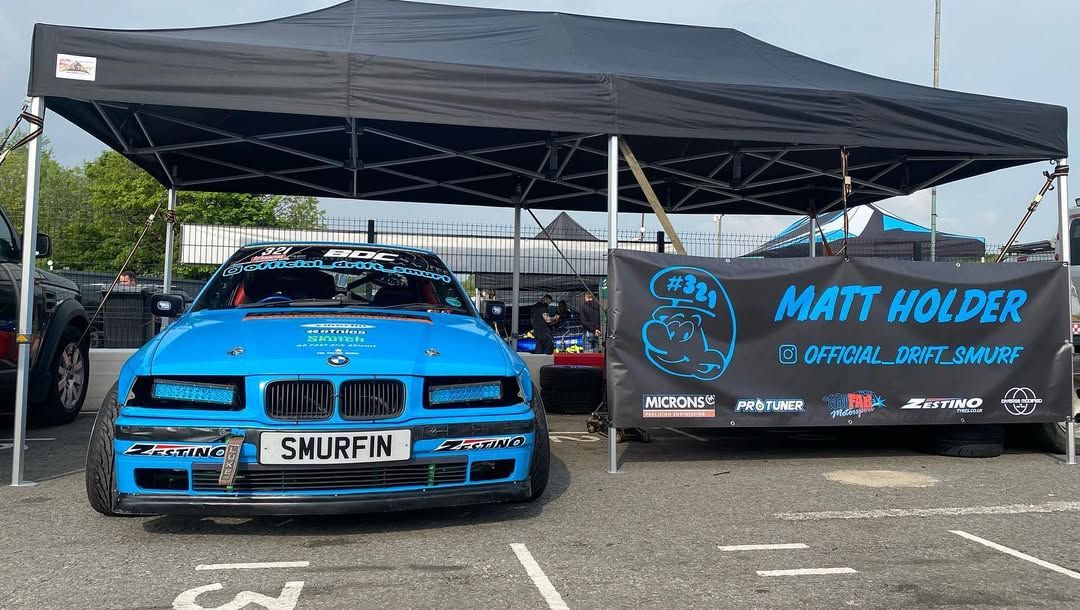
- Pop up race tents — quick to pitch after a long drive north, and easy to pack down. 3m x 3m and 3m x 4.5m for tighter pitches.
- Marquee and gazebo weights — not optional on an exposed Fife hillside. Weight every leg, every time.
- Branded motorsport tents — worth it in front of the big BTCC and Superbike crowds.
Not sure what suits your setup? Request a callback and we will talk it through.
How long is Knockhill Circuit?
Where is Knockhill Circuit?
What is the biggest event at Knockhill?
What makes Knockhill special?
What is Knockhill's most famous corner?
Can you do a track day at Knockhill?