Croft Circuit Guide: North Yorkshire's Technical Test
Croft is a 2.13-mile circuit near Dalton-on-Tees in North Yorkshire, just south of Darlington, and it is the North East's home of the British Touring Car Championship. Built on a former bomber airfield and blending fast esses with tight technical corners, it has a reputation as a real driver's circuit where car setup is a genuine compromise. Here is the layout, the history, the racing, and what its flat, exposed northern paddock means for setting up your team.
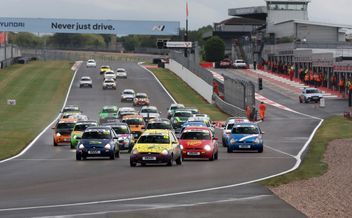
Where Is Croft Circuit?
Croft sits near the village of Dalton-on-Tees in North Yorkshire, about six miles south of Darlington, which makes it the premier motorsport venue for the North East and an easy run for teams and fans across Yorkshire, the North East and southern Scotland.
It is owned and run by the British Automobile Racing Club, the BARC, who took it on in 2006. One thing to plan around: after a long-running dispute with local residents, a 2009 court ruling capped Croft at 40 “noisy days” a year, so the race calendar is tighter than at most circuits and the big meetings are busy. Book early, and come prepared for North Yorkshire weather, which can change quickly whatever the forecast promised.
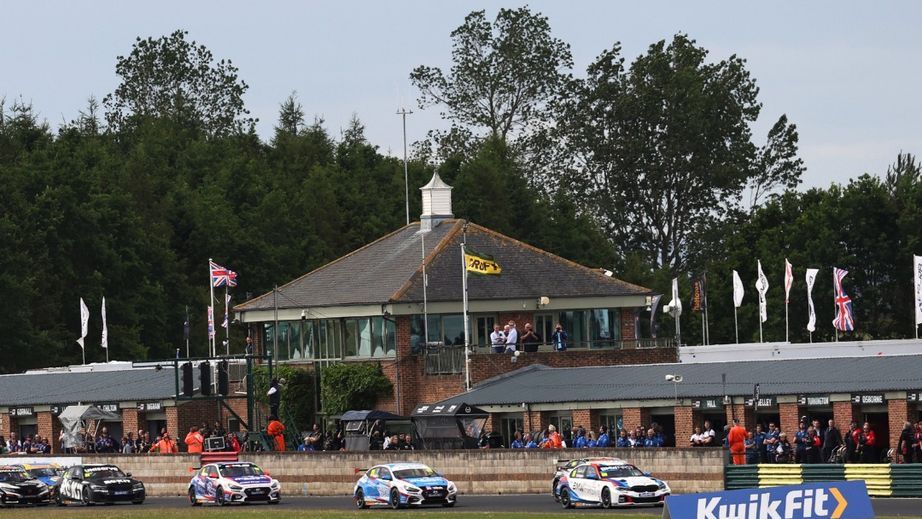

A Short History of Croft
Croft began as a wartime airfield. RAF Croft was a bomber base built in the early 1940s as a satellite to nearby RAF Middleton St George, now Teesside Airport, and was home to Wellington, Lancaster and Halifax bombers. After the war, club racing started on the runways and perimeter roads from the late 1940s.
Croft Autodrome opened properly in August 1964 and drew huge crowds, but circuit racing stalled and the venue closed in 1981. For years afterwards Croft was better known as one of Britain's great rallycross circuits, with televised events running through the sixties, seventies and eighties and an FIA European Rallycross round in 1994. That heritage still runs deep today.
The modern circuit arrived with a major redevelopment in 1997, which added a new infield section, pits, paddock and control tower. Alain Menu won the first British Touring Car race at the reborn Croft that June, and the BTCC has been back every year since.
The Circuit Layout
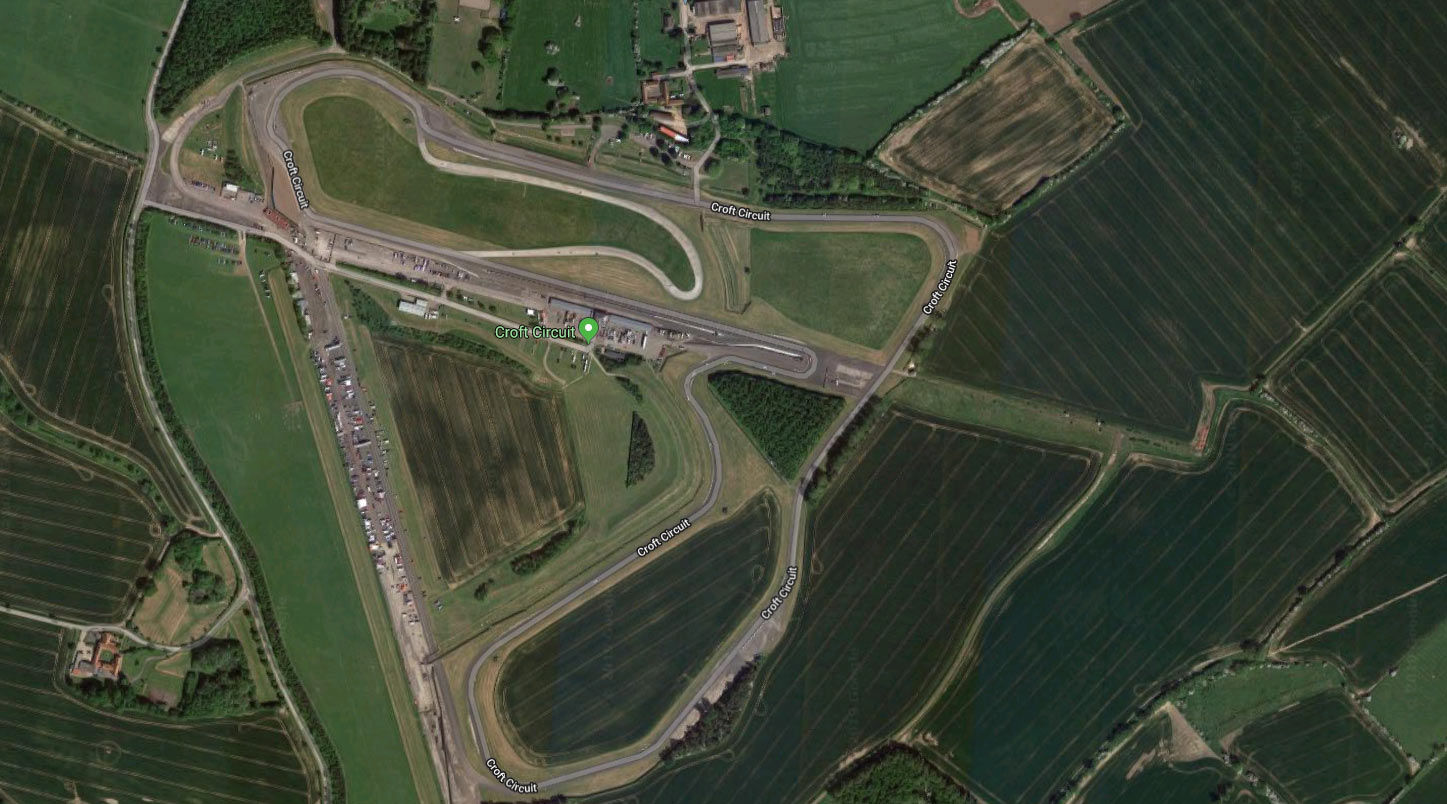
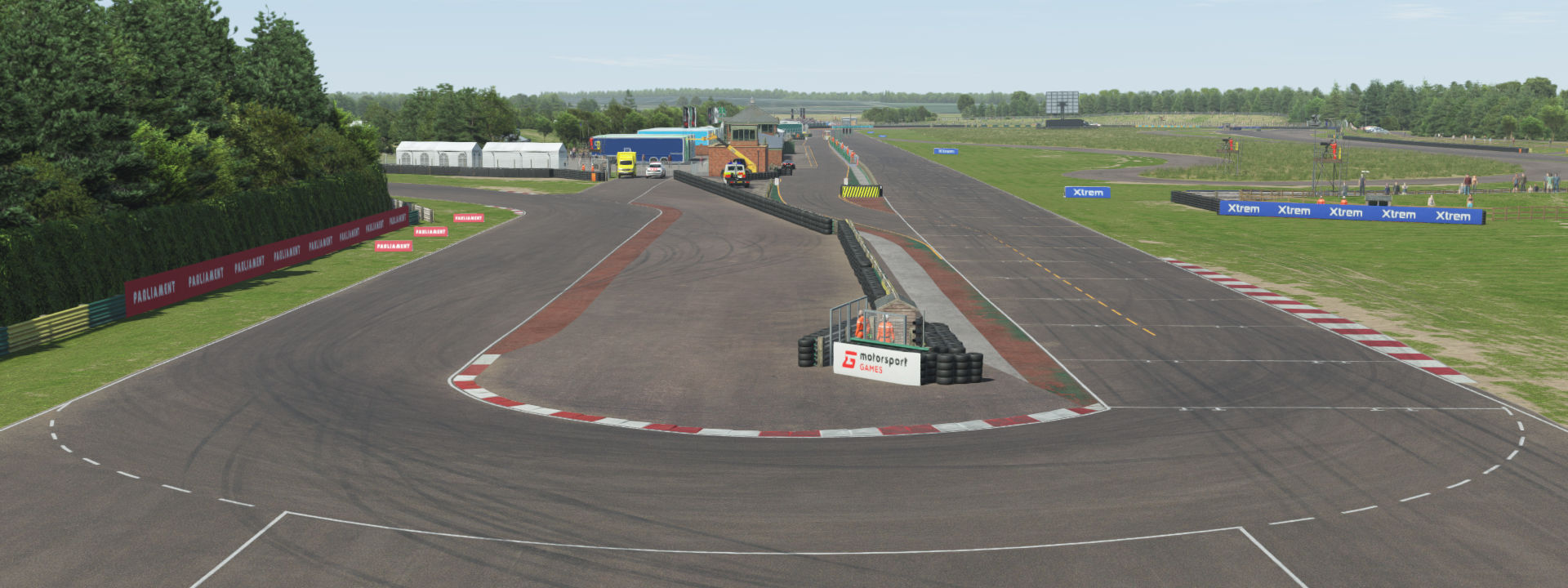
Croft runs clockwise, measures 3.423 km / 2.127 miles over 16 turns, and carries an FIA Grade 3 rating.
The corners worth knowing: Clervaux, the fast opening right. Hawthorn and the Chicane, a classic out-braking and paint-trading zone on touring car weekends. Tower Bend, deep braking off the back straight and one of the best passing spots on the lap, into the infield. The fast, flowing Jim Clark Esses, named after the double world champion. Then Barcroft, Sunny In and Sunny Out, before the tight Complex and Hairpin, the slowest, most technical sequence on the circuit.
What makes Croft hard is the mix. The long straights and fast esses reward a stable, low-drag car, while the slow Complex and Hairpin demand mechanical grip and traction off the corner. No single setup suits all of it, so every lap of Croft is a compromise, and getting that compromise right is what separates the quick from the rest.
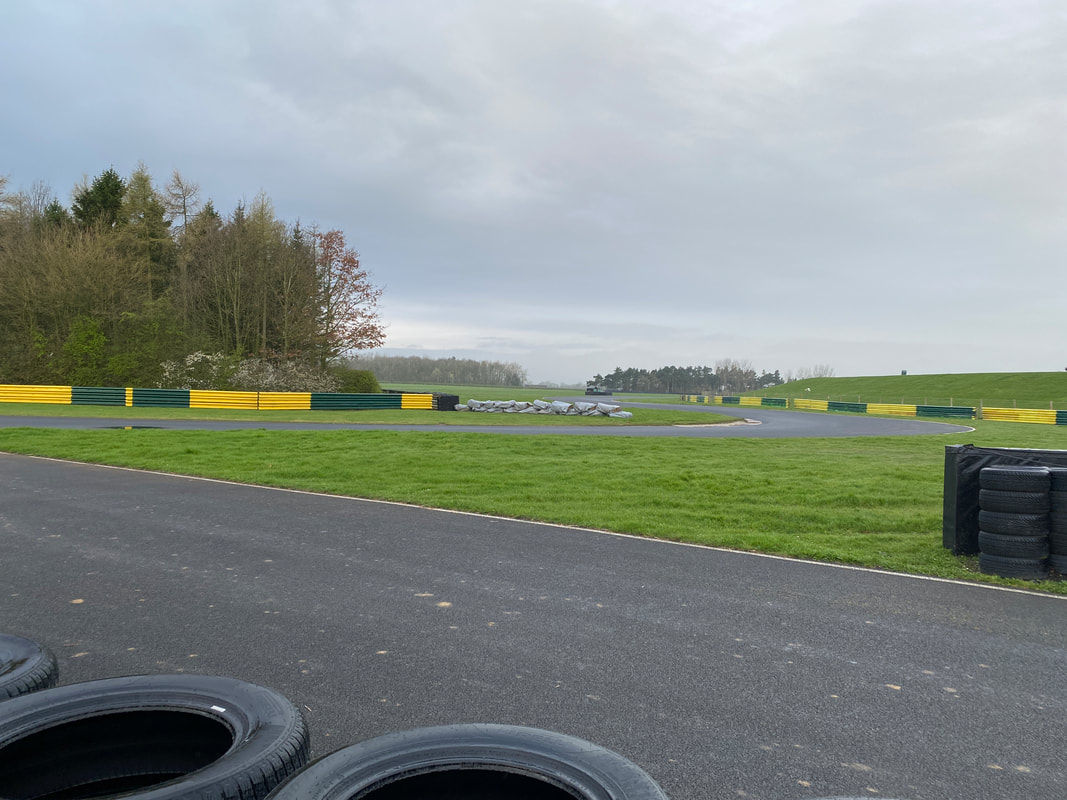
The Jim Clark Esses and Croft's Technical Challenge
If Thruxton has Church and Cadwell the Mountain, Croft's signature is its variety. The fast, flowing Jim Clark Esses, named after the double world champion, are the highlight of the lap, a committing sequence where rhythm and confidence are everything.
But the point of Croft is the whole circuit, not one corner. It swings from those flat-out esses to the slow, technical grind of the Complex and Hairpin, so a car that flies down the straights can be hopeless in the tight stuff, and vice versa. That is why drivers rate it as a proper test: you have to be good everywhere, and you have to accept that your setup will always be a compromise somewhere. Master it and there are few more satisfying laps in British motorsport.

Racing at Croft
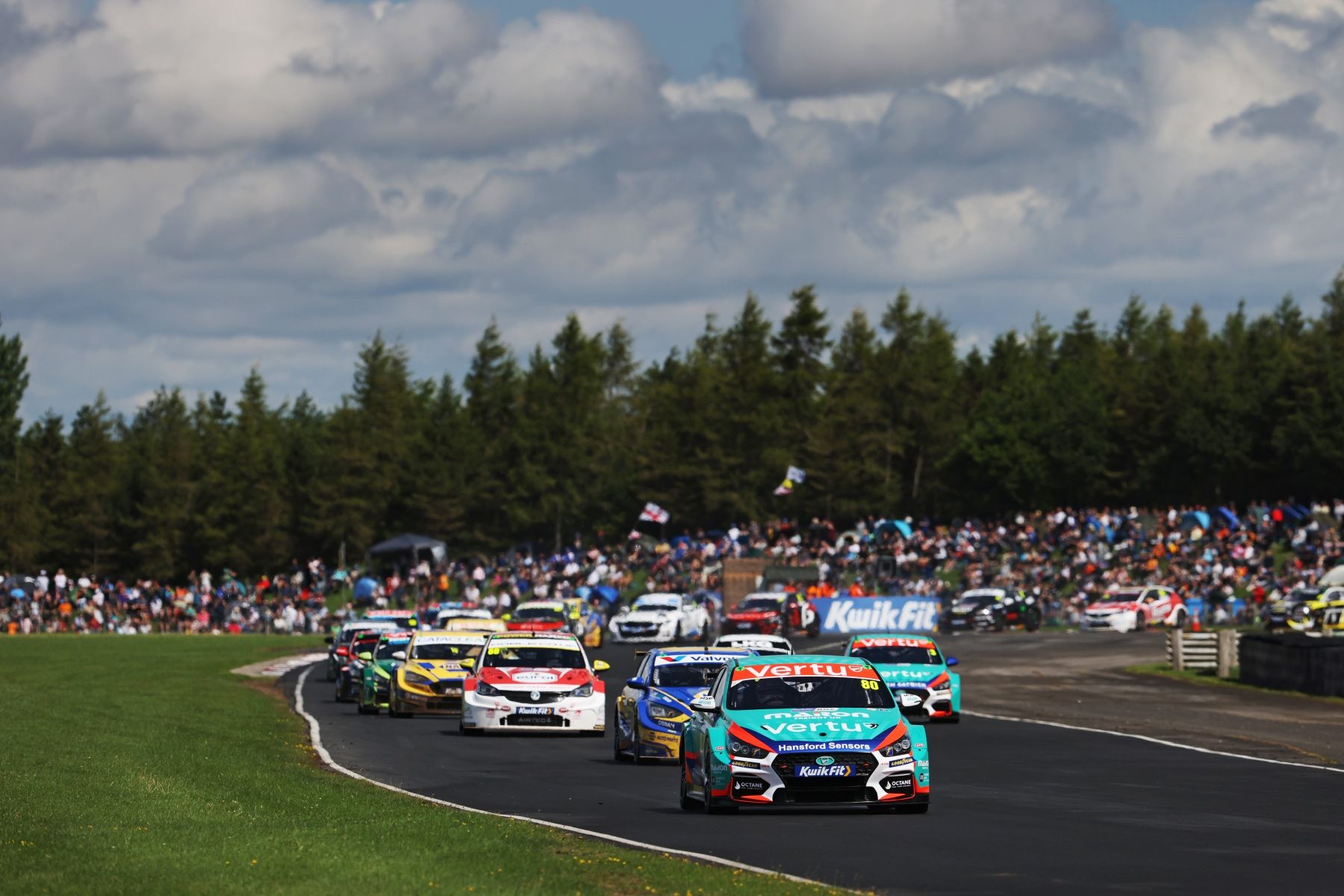
The British Touring Car Championship is the headline act, and has been since 1997. Croft is the North East's big race weekend and has often fallen just before the BTCC's summer break, which has made it a key point in more than one title fight over the years. Alongside it runs a full card of TCR UK, Porsche Carrera Cup, Ginetta and Clio Cup racing, plus historics and Croft's beloved rallycross.
British Superbikes raced here until 2011 but have not returned. Track days run through the season too, though the circuit's 40-day noise limit means dates are fewer than at some venues, so book ahead. If it is your first visit, our first track day guide covers what to bring and how the day runs.
Why Croft Is Harder on Paddock Setups Than Most Circuits
Here is the part the circuit guides skip. Croft is a former airfield, so like Thruxton it is flat and open, but this is the North East, and up here the weather is the enemy more than anything else. North Yorkshire conditions change fast: a dry morning can turn to wind and driving rain by lunchtime, and it can be genuinely cold even in summer.
That has real consequences for anyone bringing a structure:
- Weatherproof, don't just shade. Down south you might set up for sun. At Croft you set up to keep a team warm and dry through whatever the day throws at you. Solid sides, a proper roof and somewhere sheltered to work matter far more than open shade.
- Anchor for wind on hard standing. The paddock is largely hard standing, which is good news, because weights sit and grip properly, so load every leg. But it is exposed, so an unweighted structure is at the mercy of the wind. Weight it and guy it down.
- Plan around a short, busy calendar. The 40-day noise limit means race dates are limited and the big meetings are packed, so a compact, quick-to-pitch setup beats the biggest awning you own.
Whatever the forecast says when you leave home, pack for all four seasons and anchor everything. Northern weather has a habit of proving you wrong before lunch.
Setting Up Your Paddock at Croft
Gala Performance builds motorsport structures in Britain, and we race ourselves, so the range is designed around paddocks like this one, where the weather does the damage, rather than borrowed from the leisure market.
- Heavy-duty awnings — clear-span, fully weatherproof working space that keeps a team warm and dry through a changeable North Yorkshire weekend.
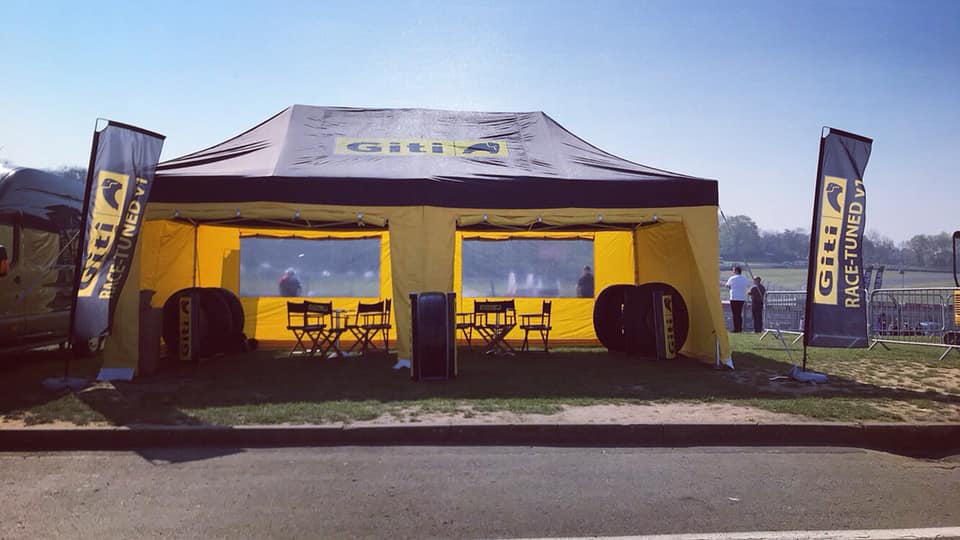
- Pop up race tents — the hard standing takes weighted legs well, and quick up-and-down suits Croft's short, busy calendar. 3m x 3m and 3m x 4.5m for tighter pitches.
- Marquee and gazebo weights — not optional on an exposed airfield. Weight every leg, every time.
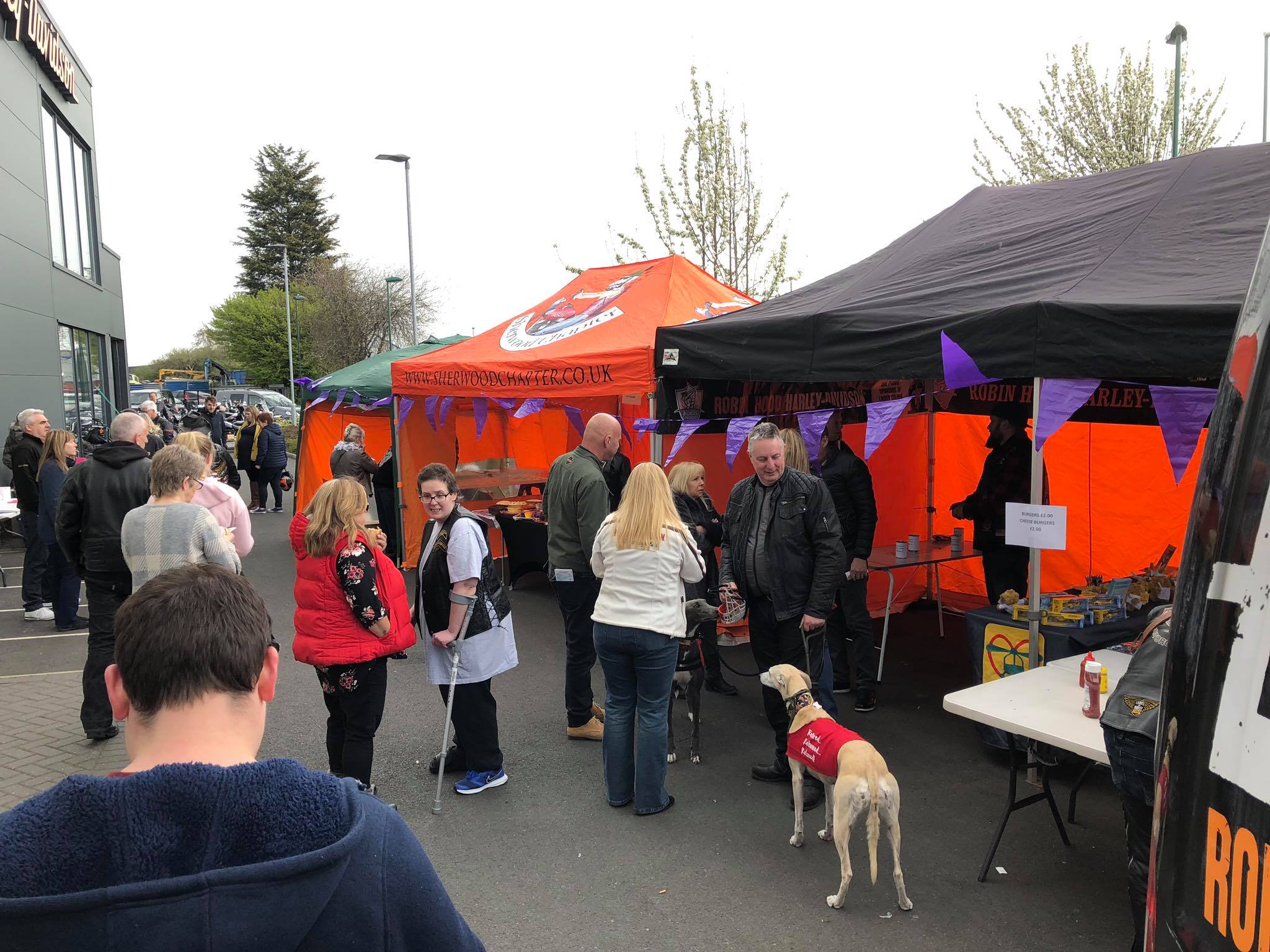
- Branded motorsport tents — worth it where the big BTCC crowds pack in close to the paddock.
Not sure what suits your setup? Request a callback and we will talk it through.
How long is Croft Circuit?
Where is Croft Circuit?
Who owns Croft Circuit?
What is the biggest event at Croft?
Why is Croft limited on the number of race days?
Can you do a track day at Croft?