Silverstone Circuit Guide: Layout, History & Paddock
Silverstone Circuit is a former wartime airfield on the Northamptonshire and Buckinghamshire border, owned by the British Racing Drivers' Club (BRDC). Club racers use three main layouts: the 3.66-mile Grand Prix circuit, the 1.64-mile National circuit and the 1.85-mile International circuit. It is home to the Formula One British Grand Prix.
This guide covers each layout, the circuit's history, what races there, the paddock rules and facilities, and the kit to bring for a race weekend or track day. Racing at Silverstone next season? Talk to the team about your paddock setup.
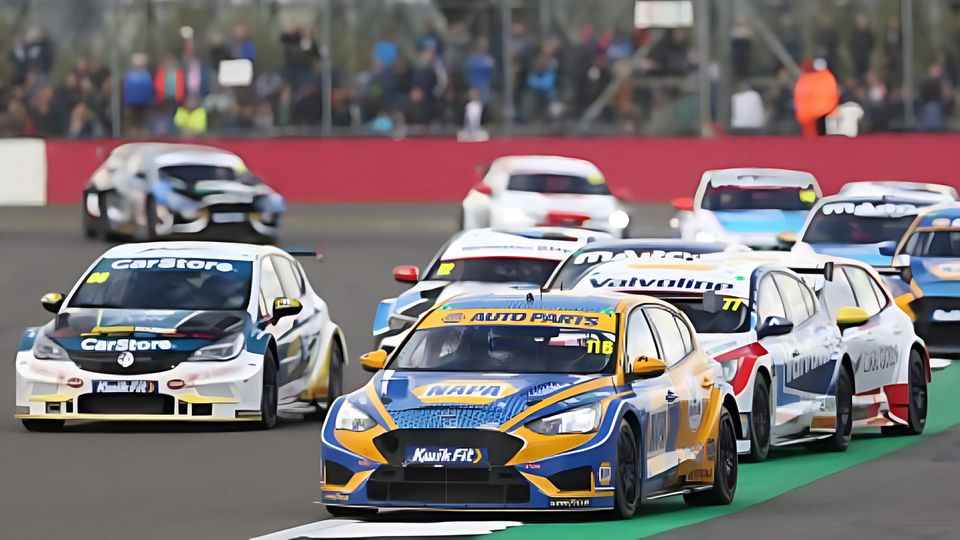
Silverstone Circuit Facts
| Item | Detail |
|---|---|
| Location | Silverstone, Towcester, Northamptonshire, NN12 8TN. Off the A43 between the M1 and the M40 |
| Owner | British Racing Drivers' Club (BRDC), run by Silverstone Circuits Ltd |
| Layouts | Grand Prix: 3.66 miles (5.891 km). International: 1.85 miles (2.979 km). National: 1.64 miles (2.639 km) |
| Headline events | Formula One British Grand Prix, MotoGP British Grand Prix, British Touring Car Championship, British GT, Silverstone Classic |
| Club racing | BRSCC, MSVR and other club meetings, plus the BRSCC Silverstone 24 Hours |
| Paddock surface | Tarmac. Tent pegs and stakes are not allowed, so every leg needs a weight |
| Pit garages | National, International and Wing pit garages, allocated or hired per meeting |
| Track day noise limit | National circuit: 105dB static, 102dB drive-by. Grand Prix circuit: up to 108dB static, 105dB drive-by |
What Are the Silverstone Circuit Layouts?
Silverstone has three layouts used for most racing: the Grand Prix circuit, the National circuit and the International circuit. Each one has its own pit and paddock area, so check which layout and paddock your meeting uses before you arrive.
Grand Prix circuit
3.66 miles (5.891 km) with 18 turns. The full Formula One lap, started from the Wing pit complex. Used for the British Grand Prix, MotoGP, British GT and bigger club and endurance meetings, including the Silverstone 24 Hours.
National circuit
1.64 miles (2.639 km) with 6 turns. Copse, Maggotts, Becketts, the Wellington Straight, Brooklands, Luffield and Woodcote. Used for the BTCC, many club meetings and most car track days, run from the National pits.
International circuit
1.85 miles (2.979 km) with 10 turns. Abbey, Farm, Village, then a link to Becketts, Chapel, the Hangar Straight, Stowe, Vale and Club. Used for club meetings run from the International pits.
Corners and sections to know
- Copse, the fast right-hander at the end of the pit straight. Turn 9 on the GP lap and the first corner on the National.
- Maggotts and Becketts, the fast left-right-left-right sequence that tests car balance and commitment.
- Hangar Straight into Stowe, the long flat-out run and the heavy braking zone at the end of it. A main overtaking spot on the GP and International laps.
- Vale and Club, the slow chicane and long right-hander that finish the GP and International laps.
- Brooklands and Luffield, the slow left and long right that feed the start-finish straight on the National. Traction out of Luffield sets up the lap.
- Abbey, Farm and Village, the fast opening sequence on the GP and International laps, leading into The Loop and Aintree on the GP.
What Is the History of Silverstone Circuit?
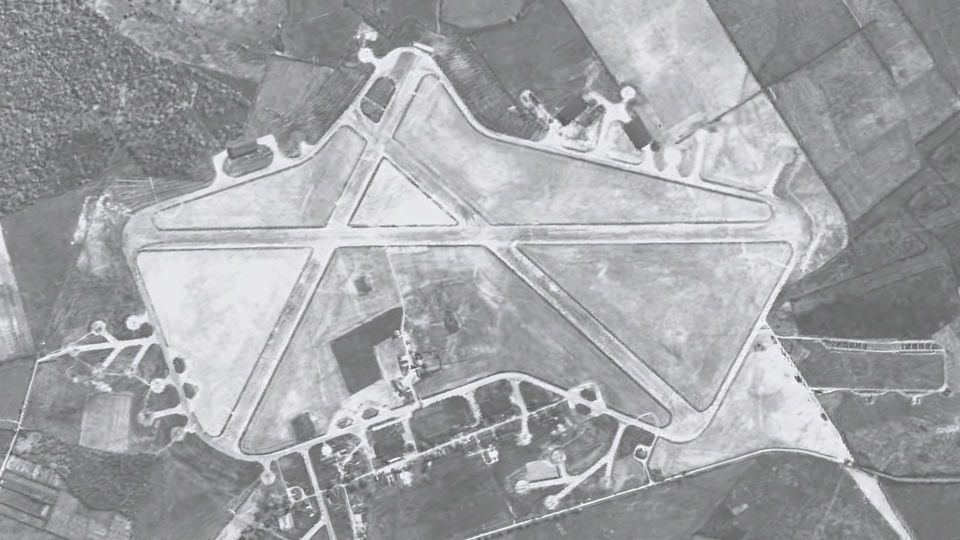
Silverstone began as RAF Silverstone, a Second World War bomber station. Racing started on the airfield in 1947, it hosted the first British Grand Prix in 1948 and the first round of the Formula One World Championship in 1950, and it has been the permanent home of the British Grand Prix since 1987.
- 1943 to 1946: RAF Silverstone was an active bomber station.
- 1947: an informal race on the airfield became known as the Mutton Grand Prix.
- 1948: the RAC leased the airfield and held the first British Grand Prix at Silverstone.
- 1950: the British Grand Prix at Silverstone was the first race of the Formula One World Championship.
- 1952: the BRDC took over the lease from the RAC.
- 1987: the British Grand Prix settled permanently at Silverstone.
- 1991: a major redesign made the lap more technical.
- 2010: the Arena section and the International circuit were introduced, and MotoGP moved to Silverstone.
- 2011: the Grand Prix lap moved its start to the new Wing pit and paddock complex.
- 2024: Silverstone and Formula One agreed a deal to keep the British Grand Prix there until 2034.
What Races at Silverstone?
Silverstone hosts the Formula One and MotoGP British Grands Prix, the BTCC, British GT and the Silverstone Classic, plus club meetings and the BRSCC Silverstone 24 Hours. Dates change every year, so check the circuit and club calendars before you plan.
Headline meetings
- Formula One British Grand Prix.
- MotoGP British Grand Prix.
- British Touring Car Championship (BTCC), on the National circuit.
- British GT Championship and its support package.
- Silverstone Classic.
- BRSCC Silverstone 24 Hours.
Club championships you can enter
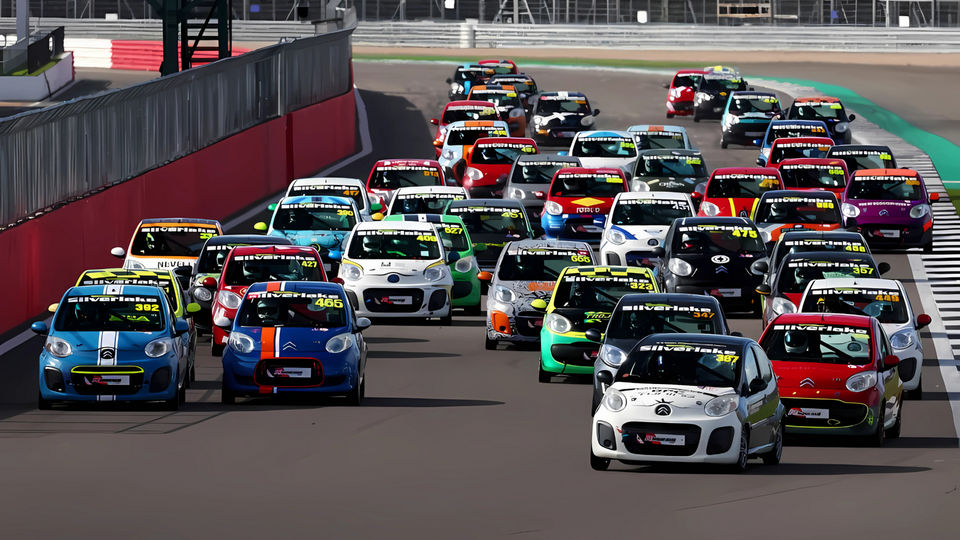
- C1 Racing Club. Endurance racing in Citroen C1s with the BRSCC, including the Silverstone 24 Hours. Gala Performance races in it.
- Fun Cup. Endurance racing with arrive and drive seats, with a Silverstone round on the 2027 calendar.
- Radical Cup UK. Radical SR3 racing, on the GP circuit in 2026.
- Production GTi. MSVR's championship for Golf GTI and Scirocco models, which visits the National circuit.
- Ginetta Junior. The junior Ginetta series for 14 to 17 year olds, on the British GT support bill.
The BRSCC, MSVR and other clubs run meetings here across the different layouts. If you are choosing a series for next season, the club calendars show which rounds come to Silverstone and on which layout.
What Do You Need to Know About the Silverstone Paddock?
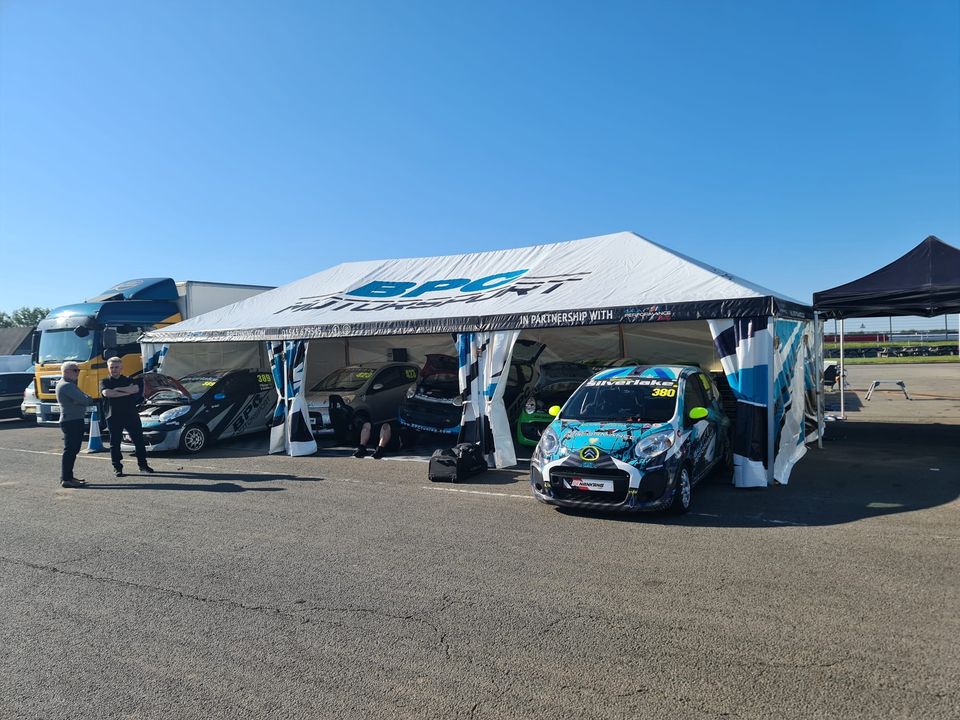
The Silverstone paddocks are tarmac and pegs are not allowed, so race tents must be held down with weights on every leg. Which paddock you use depends on the layout: the National paddock, the International paddock or the Wing paddock for Grand Prix meetings. It is a flat, open former airfield, so plan for wind. There is a fuel station on site and camping in designated areas.
Paddock rules to plan around
- No tent pegs or stakes. Paddock tarmac must not be damaged in any way, including by trailers.
- Keep paddock roadways, fire lanes and fire points clear at all times.
- Cables must not be buried and need matting or ducts where they cross walkways or fire lanes. Do not take power from toilet blocks.
- Generators must be diesel and run in the open air. Where there is no power, bring your own.
- No barbecues in the pit garages, paddock or pits area. The circuit fines teams that break this rule.
- Racing engines must not run before 08:45 or after 18:00, and if you camp the night before a meeting, not after 17:00 that evening.
- Under-16s are not allowed in the pit lane or garages, apart from a scheduled grid walk, and the paddock speed limit is 5mph.
Facilities
- Pit garages in the National, International and Wing pit complexes, allocated by the club or hired per meeting.
- Power outlets in the National pit garages.
- Fuel station in the National paddock, open throughout race meetings.
- Pit Stop Cafe behind the National pits.
- Camping in designated areas, with motorhome access via Copse Runway at some big meetings.
- Waste point for caravan and motorhome waste, and marked drums for waste oil.
These rules come from recent BRSCC Final Instructions for Silverstone meetings and circuit information. Each meeting publishes its own Final Instructions with a paddock plan, access times and engine hours, so read them before you travel.
What Paddock Kit Should You Take to Silverstone?
Take a race tent with weights for every leg, side walls for the wind, and a ground covering for the tarmac. Silverstone is a flat, open airfield site, so wind is the main thing to plan for.
- A pop up race tent sized for the car, the crew and a seated area. The size guide shows what fits under each size.
- Race tent weights on every leg, because pegs are not allowed on the tarmac.
- Side walls to close off the windward side, fitted after the legs are weighted.
- An MQ-65 heavy duty awning for a bigger team base, such as a Silverstone 24 Hours entry.
- A Pit Perch on the pit wall for endurance races with driver changes, such as the Silverstone 24 Hours and C1 rounds.
- Modular flooring to give the crew a clean, dry surface over the tarmac or a garage floor through a long endurance weekend.
How Do You Get to Silverstone Circuit?
Silverstone Circuit is near Towcester in Northamptonshire, off the A43 dual carriageway. From the north, take the M1 and then the A43. From London and the south, take the M40 and then the A43, which is the easiest route for race transporters.
- Address: Silverstone Circuit, Towcester, Northamptonshire, NN12 8TN.
- From the north and Birmingham: M1, then the A43 dual carriageway. About an hour from Birmingham.
- From London and the south: M40, then the A43 dual carriageway. About 90 minutes from central London.
- Trucks wait in the holding area before the main gate at bigger meetings. Paddock access times and the entrance to use are in each meeting's Final Instructions.
- Nearest station: Wolverton, about 10 miles away. Banbury, Milton Keynes and Northampton are all within 13 miles.
Silverstone Circuit FAQs
Where is Silverstone Circuit?
How long is Silverstone?
What is the difference between the Silverstone National and Grand Prix circuits?
Can you use tent pegs in the Silverstone paddock?
What championships race at Silverstone?
What is the noise limit at Silverstone?
UK Circuit Guides
Every guide covers the layouts, history, what races there and how to set up in the paddock. Compare all UK circuits, or see the full UK motorsport guide.