Oulton Park Circuit Guide: Cheshire's Parkland Rollercoaster
Oulton Park is a 2.69-mile road circuit set in the parkland of a former Cheshire estate near Little Budworth, and it is one of the most demanding tracks in Britain. Constant elevation change, blind crests, fast cambered corners and barriers only feet from the tarmac. Owned by MotorSport Vision and racing since 1953, it punishes the smallest mistake and rewards commitment like almost nowhere else. Here is the circuit, its history, the racing, and what its undulating parkland paddock means for setting up your team.
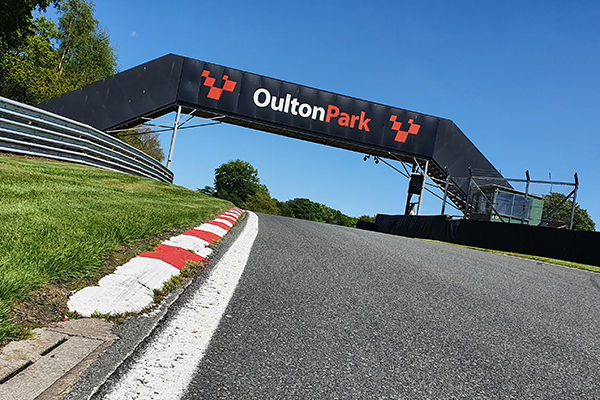
Where Is Oulton Park?
Oulton Park sits at Little Budworth, Cheshire, near Tarporley and roughly between Chester and Liverpool. It is approached off the A49, A54 and B5152, with no motorway on the doorstep, so the last few miles are country roads through the Cheshire countryside.
It is owned and operated by MotorSport Vision, who took it on in January 2004 and also run Brands Hatch, Donington Park, Snetterton and Cadwell Park. One quirk worth knowing before you plan a weekend: there is no racing on Sundays at Oulton, the result of a long-standing agreement with local residents. Meetings are typically held on a Saturday and, over the big weekends, a Bank Holiday Monday. If you are towing any distance, allow more time than the satnav suggests, and most teams travelling far stay locally the night before rather than unloading on the morning of a race day.
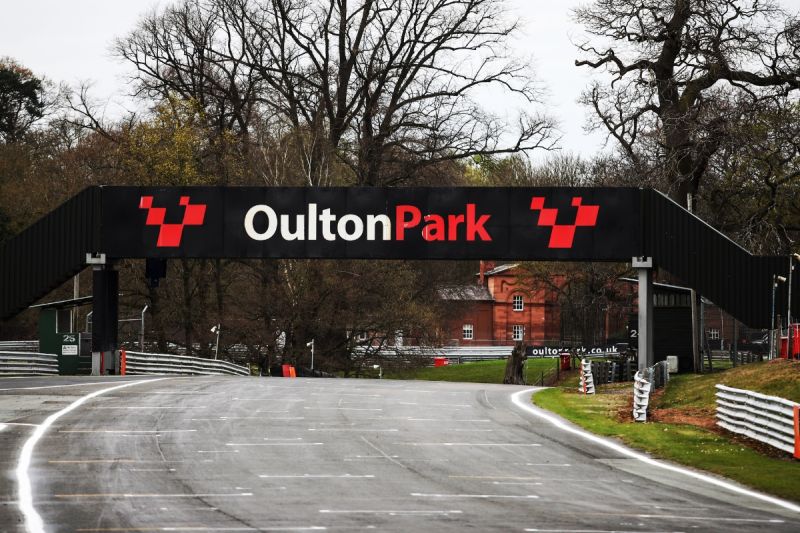
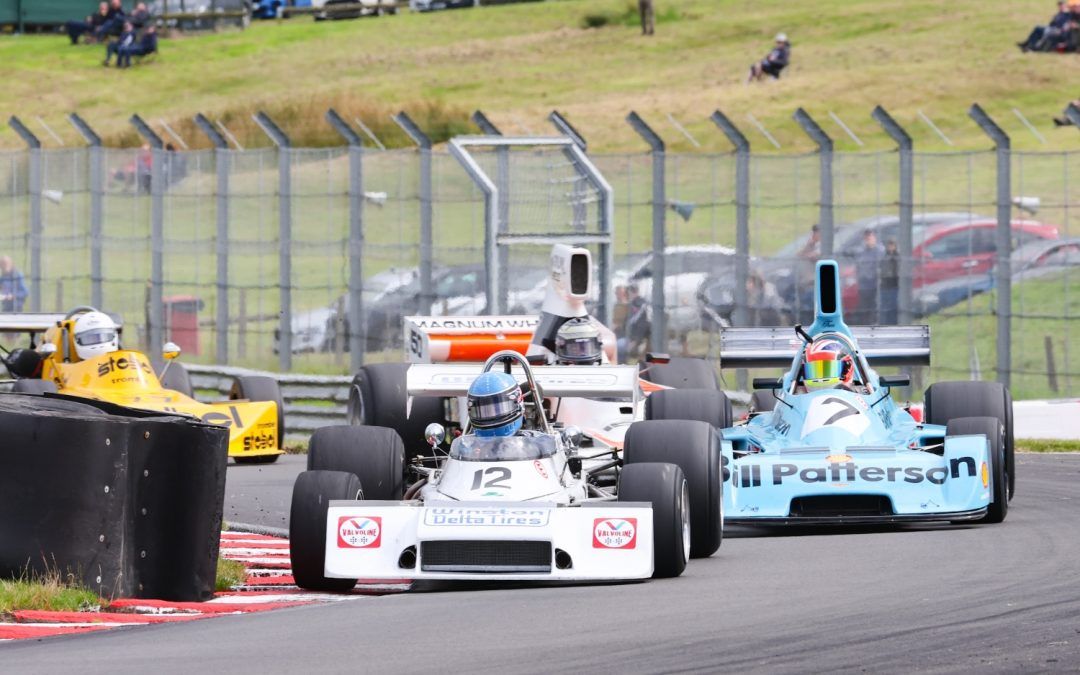
A Short History of Oulton Park
The circuit occupies the former grounds of Oulton Hall, the ancestral estate of the Egerton family, local landowners for centuries. The Mid-Cheshire Car Club laid out a track across the parkland and Oulton Park opened on 8 August 1953, with a first meeting of Formula 2, Formula 3 and motorcycle races won by Tony Rolt.
It grew quickly. By 1954 the layout had been extended to close to its modern shape, and the Gold Cup was established as a Bank Holiday mainstay, drawing the biggest names of the era: Moss, Clark, Surtees and Brabham. Oulton has a slice of Formula 1 history too, as the venue where Stirling Moss won the 1961 Gold Cup in the four-wheel-drive Ferguson, the only F1 victory ever taken by a four-wheel-drive car.
Through the 1960s it was run alongside Brands Hatch and Snetterton under the same ownership, before MotorSport Vision took over in 2004 and invested heavily in the facilities. Seventy years on, it remains one of the most picturesque and respected road circuits in the country.
The Circuit Layout
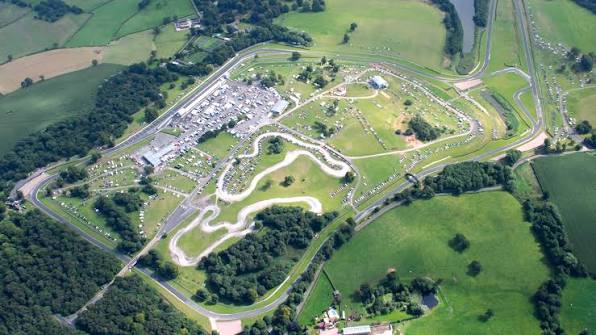
Oulton Park runs clockwise and has three configurations:
- International Circuit — 4.307 km / 2.692 miles, 17 turns. The full lap, and the layout used for British Superbikes, British GT, GB3, GB4 and the Gold Cup.
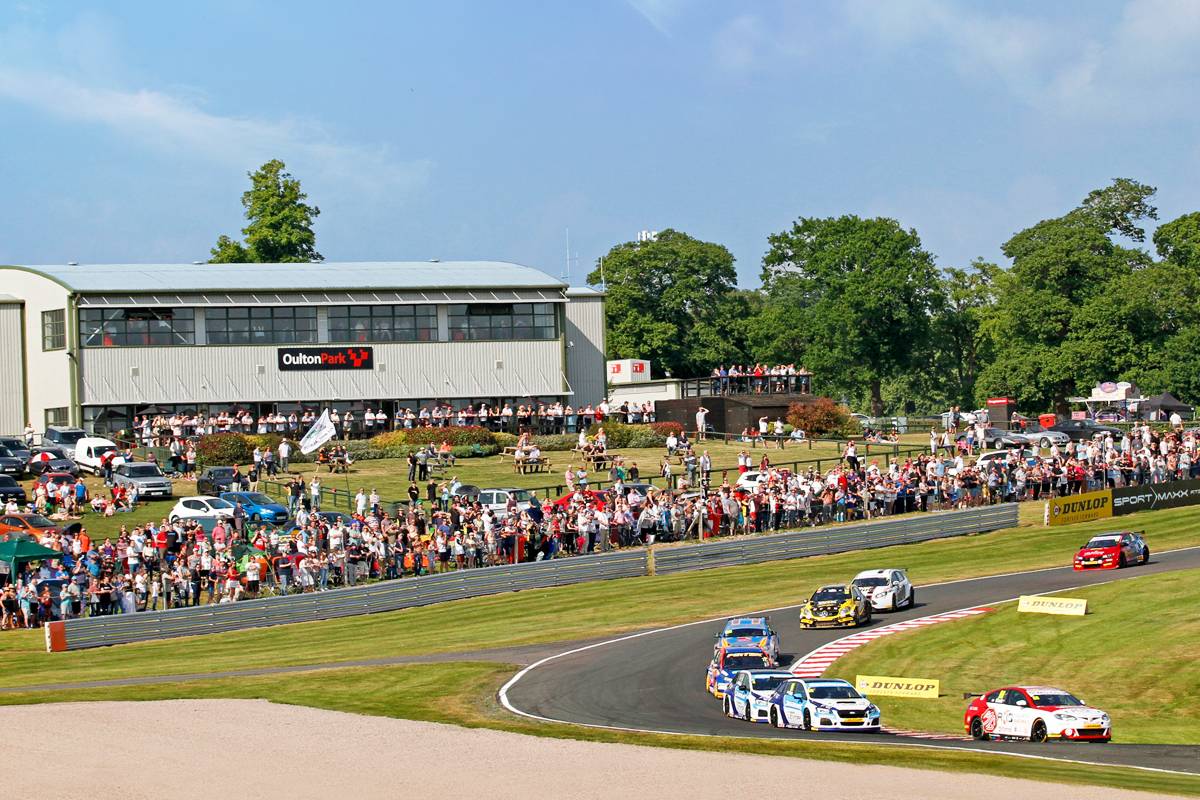
- Island Circuit — 3.616 km / 2.247 miles. Cuts out the far loop of the circuit and is the configuration the British Touring Car Championship races on.
- Fosters Circuit — 2.656 km / 1.650 miles. The shortest layout, now used mainly for testing and smaller club events rather than headline racing.
The corners worth knowing: Old Hall, the fast right-hander that opens the lap. Cascades, a quick cambered left that plunges downhill and is one of the most rewarding corners in the country. Island Bend, approached blind over a crest and rated among the bravest corners in Britain. The banked Shell Oils Hairpin, unusual in the way it rewards a trail-braked rotation. Hislop's chicane into Knickerbrook, a compression with a big drop that punishes anyone too aggressive on the kerbs. Then the climb over Clay Hill, the double-apex Druids on a crest, and Lodge, the bumpy, blind last corner before the run to the line at Deer Leap.
What makes Oulton so hard is the combination: constant gradient, blind crests, off-camber exits and barriers close to the track. Small errors do not stay small here, they snowball across the next few corners.
The Oulton Park Rollercoaster
If Cadwell has the Mountain and Brands has Paddock Hill Bend, Oulton's signature is the whole lap. The circuit drops and climbs across the natural contours of the estate with barely a flat section anywhere, which is why drivers describe it as a rollercoaster and why it is so physically and mentally demanding.
The elevation is not just for show. Blind crests hide apexes, compressions load the car and the driver right where precision matters most, and the camber changes from corner to corner. Cascades is the piece everyone remembers, a fast left that falls away downhill, but the truth of Oulton is that the gradient never lets up. Get into a rhythm with it and it is one of the great drives in British motorsport. Fight it and it will find you out.

Racing at Oulton Park
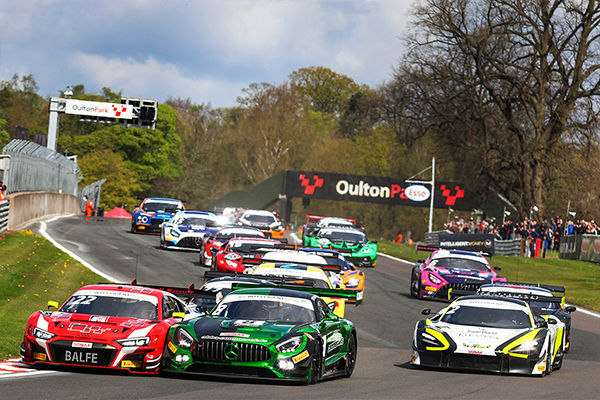
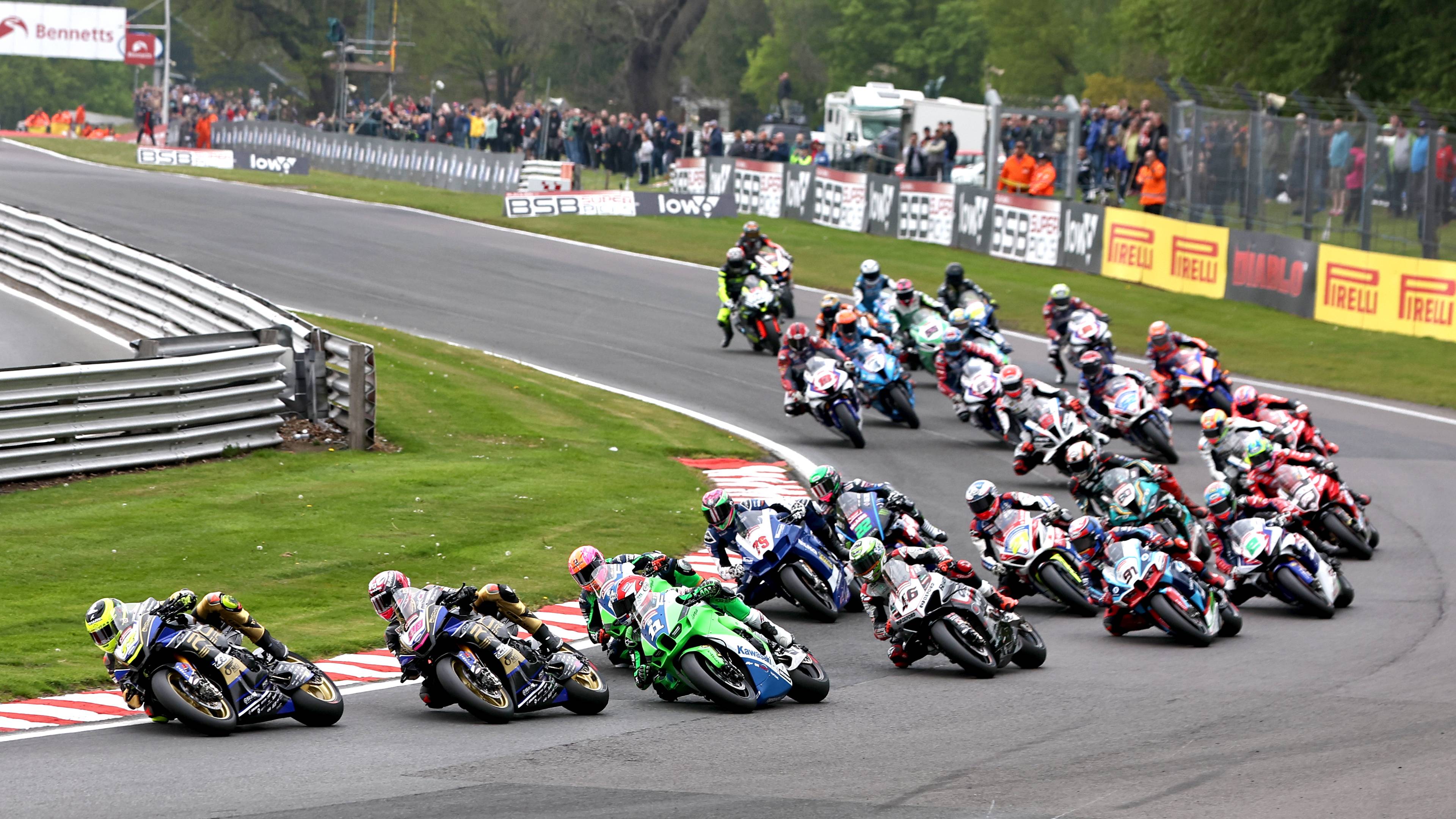
Oulton is a fixture on the British motorsport calendar. The British Touring Car Championship races here on the Island layout, and the Bennetts British Superbike Championship has visited since 1991, running on the full International circuit. Add British GT, TCR UK and the GB3 and GB4 single-seater championships and there is top-level racing across two and four wheels through the season.
Its most historic weekend is the Gold Cup, the Bank Holiday classic that once ran to Formula 1 machinery and is now one of the country's premier historic racing events. Oulton is also a hugely popular track day destination, and one of the more demanding, so if it is your first visit our first track day guide covers what to bring and how the day runs.
Why Oulton Park Is Harder on Paddock Setups Than Most Circuits
Here is the part the circuit guides skip. Oulton is a parkland site laid across a former estate, and the paddock reflects that. It is not the flat, endless hard standing of Silverstone or Snetterton. The ground undulates, surfaces vary from tarmac to softer parkland, and there are trees and natural terrain to work around.
That has a few practical consequences for anyone bringing a structure:
- Anchoring changes with the surface. On hard standing you weight every leg. On softer parkland ground, tie-down storm kits and ground stakes bite where weights just sit. On a mixed pitch you may need both, so plan for it before you leave home rather than working it out in the paddock.
- Level matters. Undulating ground means your structure may not sit square. Check your footprint before you pitch, not after, and be ready to shift a couple of metres to find flatter ground.
- Time is tighter than usual. Because there is no Sunday racing at Oulton, weekends are condensed into fewer days, so setup and teardown happen under more time pressure. A structure that goes up and comes down quickly earns its keep here.
The weather is the other half of it. Oulton sits in exposed Cheshire countryside where morning fog and mid-session rain are common, so anchor everything, every time, in all conditions. The structure that has been fine at five circuits is the one that goes at the sixth.

Setting Up Your Paddock at Oulton
Gala Performance builds motorsport structures in Britain, and we race ourselves, so the range is designed around paddocks like this one rather than borrowed from the leisure market.
- Pop up race tents — quick up, quick down, which matters at a circuit where weekends are condensed into fewer days. 3m x 3m and 3m x 4.5m suit tighter parkland pitches.
- Heavy-duty awnings — clear-span working space for larger teams with the pitch to take it, built to stand up to exposed Cheshire weather.
- Motorcycle race tents — sized for the bike on its stands with tyre warmers running, ideal for the British Superbike crowd.
- Branded motorsport tents — worth it at a circuit where spectators bank in this close to the paddock.
Not sure what suits your setup? Request a callback and we will talk it through.
How long is Oulton Park?
Where is Oulton Park?
Who owns Oulton Park?
What is the biggest event at Oulton Park?
Why is there no racing on Sundays at Oulton Park?
Can you do a track day at Oulton Park?