How to Weatherproof, Strengthen and Repair Your Race Gazebo
A race gazebo lives a hard life — hammered by wind, rain, sun and the odd knock in a busy paddock, weekend after weekend. Look after it and a good one lasts season after season; neglect it and it fails when you need it most. This guide covers the four jobs that keep a motorsport awning in top condition: cleaning it, keeping it waterproof, strengthening it against wind, and repairing the inevitable wear. Need parts or advice? Request a callback and we will point you to the right kit.
Why Race Gazebo Maintenance Matters
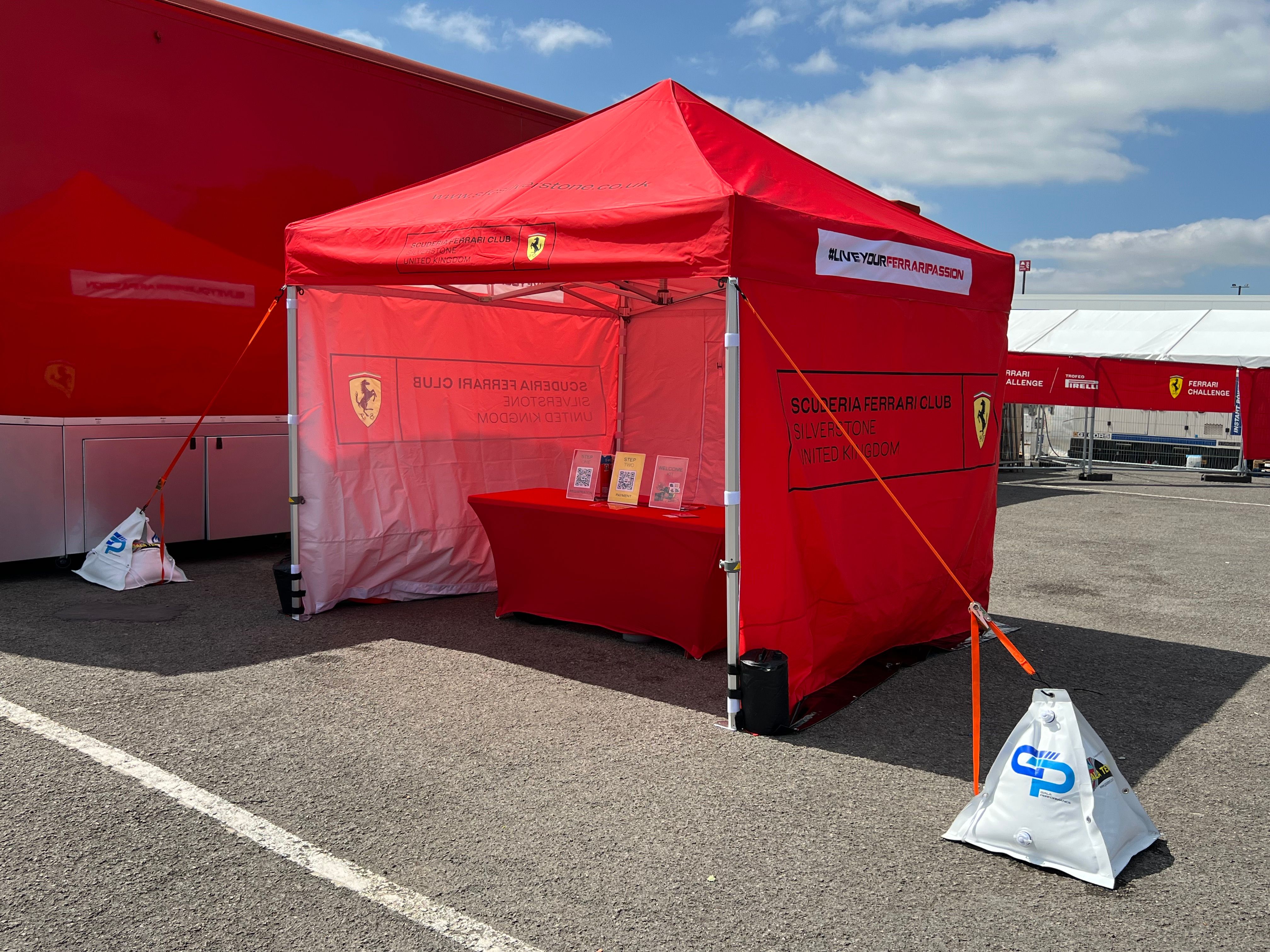
A motorsport awning is a working tool, not a garden gazebo, and it takes far more punishment than one. Gala Performance structures are built from heavy-duty PVC-coated polyester precisely so they can handle a race season, but even the best gear needs looking after. A little regular care does three things: it keeps the awning waterproof when the weather turns at the circuit, it catches small problems before they become expensive ones, and it protects the money you have invested in a professional paddock setup.
There are really only four jobs to stay on top of — cleaning, weatherproofing, strengthening and repairing — plus one golden rule about storage that matters more than all of them. Here is how to do each properly.
How to Clean a Race Gazebo
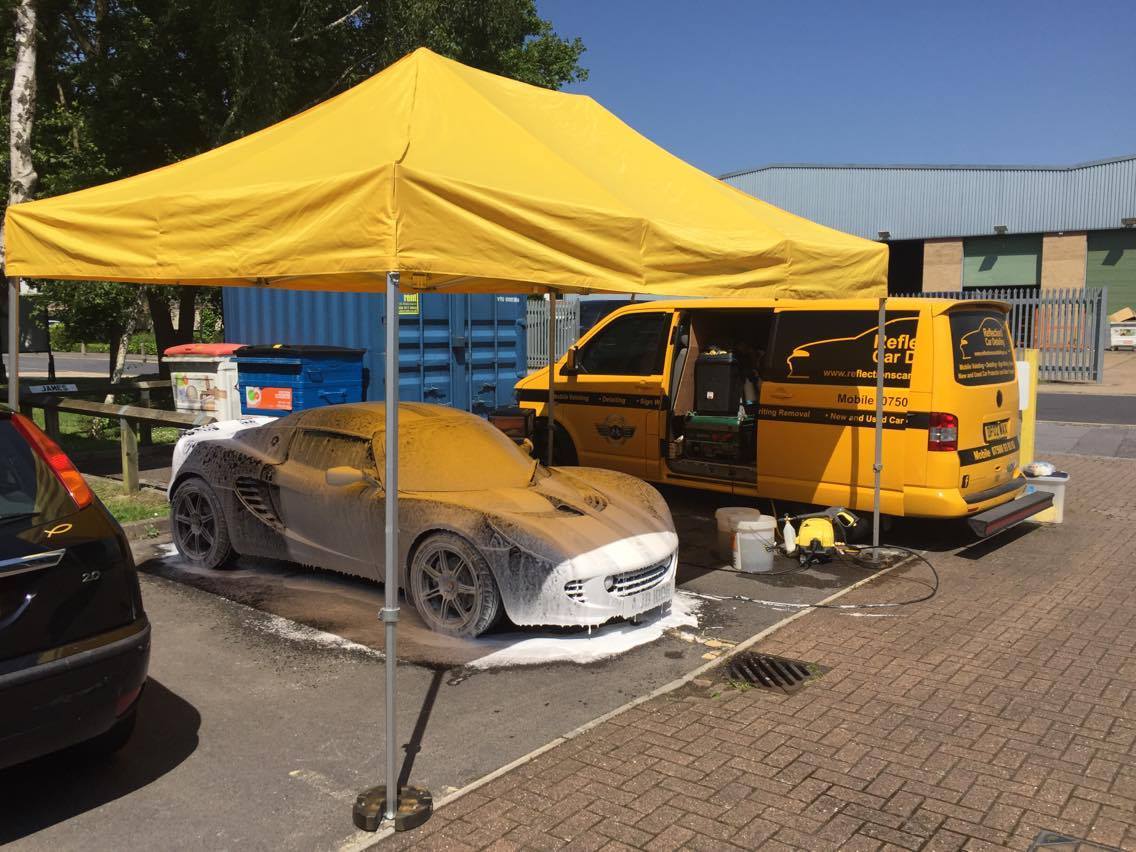
Cleaning is the foundation of everything else — dirt, tyre residue, bird droppings and tree sap all degrade the fabric and its waterproof coating if left to settle. Clean the cover by hand with warm water and a mild soap, using a soft brush or sponge. Rinse thoroughly with clean water and let it air dry completely.
A few rules keep you out of trouble:
- Never use a pressure washer or jet wash. The force strips the waterproof coating and weakens the seams — the two things you least want to damage.
- Avoid harsh chemicals and bleach. They fade the fabric and break down the coating. For mildew spots, a little white vinegar in warm water lifts it; rinse well afterwards.
- Deal with droppings and sap quickly, before they set into the fabric.
A light clean after each event and a deeper clean once or twice a season is all it takes.
How to Keep Your Gazebo Waterproof
A heavy-duty PVC-coated cover is waterproof from new, but seasons of UV, flexing and washing gradually take the edge off, and the seams are always the first place water finds its way in. If you notice the cover wetting through or letting drips past the stitching, it is time to reproof.
- Clean and dry the cover first — any treatment only bonds to clean fabric.
- Seal the seams. Run an outdoor seam sealer along the stitching lines, which are the most common leak points, and let it cure fully.
- Reproof the fabric. Apply an outdoor fabric waterproofing spray that also offers UV resistance, coating evenly. Let it dry, add a second coat, then test by dripping water on the surface — it should bead and run off.
Reproof after any heavy wash or at the start of a season, and your awning will keep shrugging off circuit weather for years.
How to Repair Tears and Replace Parts
A small tear does not mean a new cover. Caught early, most rips are a five-minute fix: trim any loose threads, clean around the tear (a wipe of rubbing alcohol helps the bond), then apply a gazebo repair patch or tent repair tape cut large enough to overlap the damage on all sides. On a high-stress area, patch both the inside and outside. Let it bond fully and test it before the next event.
Frame and hardware damage is just as fixable. Rather than scrapping a whole gazebo because of one bent leg or a split cover panel, you can order individual gazebo spare parts — replacement legs, roof and side panels, feet and connectors — and get the structure back to full strength for a fraction of the cost of a new one. The golden rule is to fix small damage the moment you spot it, because a frayed seam or a hairline crack only ever gets worse in a paddock.
How to Strengthen Your Gazebo Against Wind
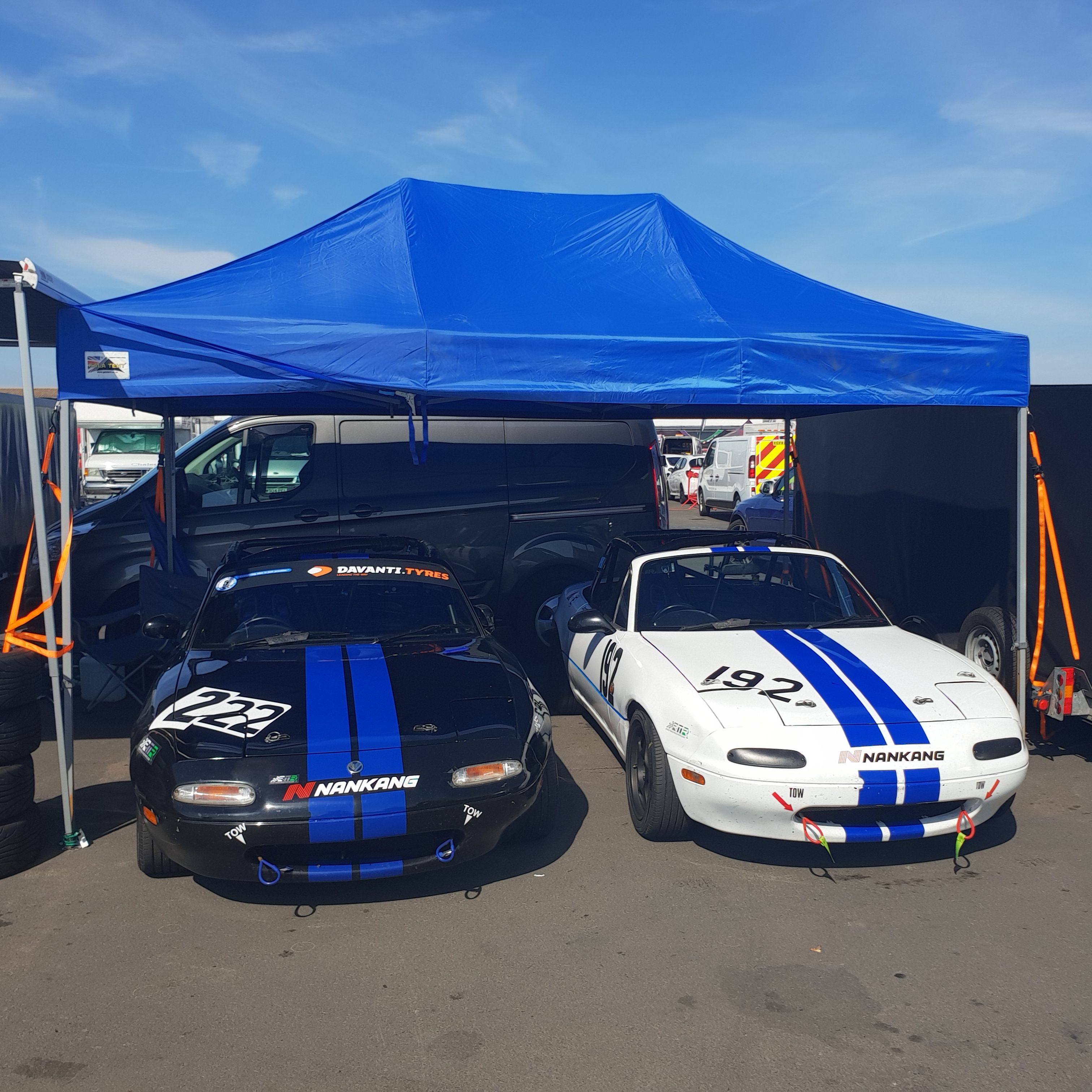
Wind is what destroys more paddock gazebos than anything else, and it is entirely preventable. An unanchored awning is not just at risk itself — it becomes a projectile that endangers every bike, car and person around it. Strengthening comes down to a few habits and a bit of kit:
- Weight every leg. Use proper marquee and gazebo weights on all four legs — around 50kg per leg is a sensible target at an exposed circuit — and add guy ropes and heavy-duty pegs wherever the ground allows.
- Fit strengthening bars. Gazebo strength bars brace the frame across its span, cutting the flex that fatigues joints and tears covers in gusty conditions.
- Know when to drop it. No amount of kit beats good judgement — if the wind is genuinely dangerous, take the roof down. A packed-away gazebo cannot blow away.
Get the anchoring right and you protect both your own setup and everyone camped around you.
The Golden Rule: Never Store It Wet
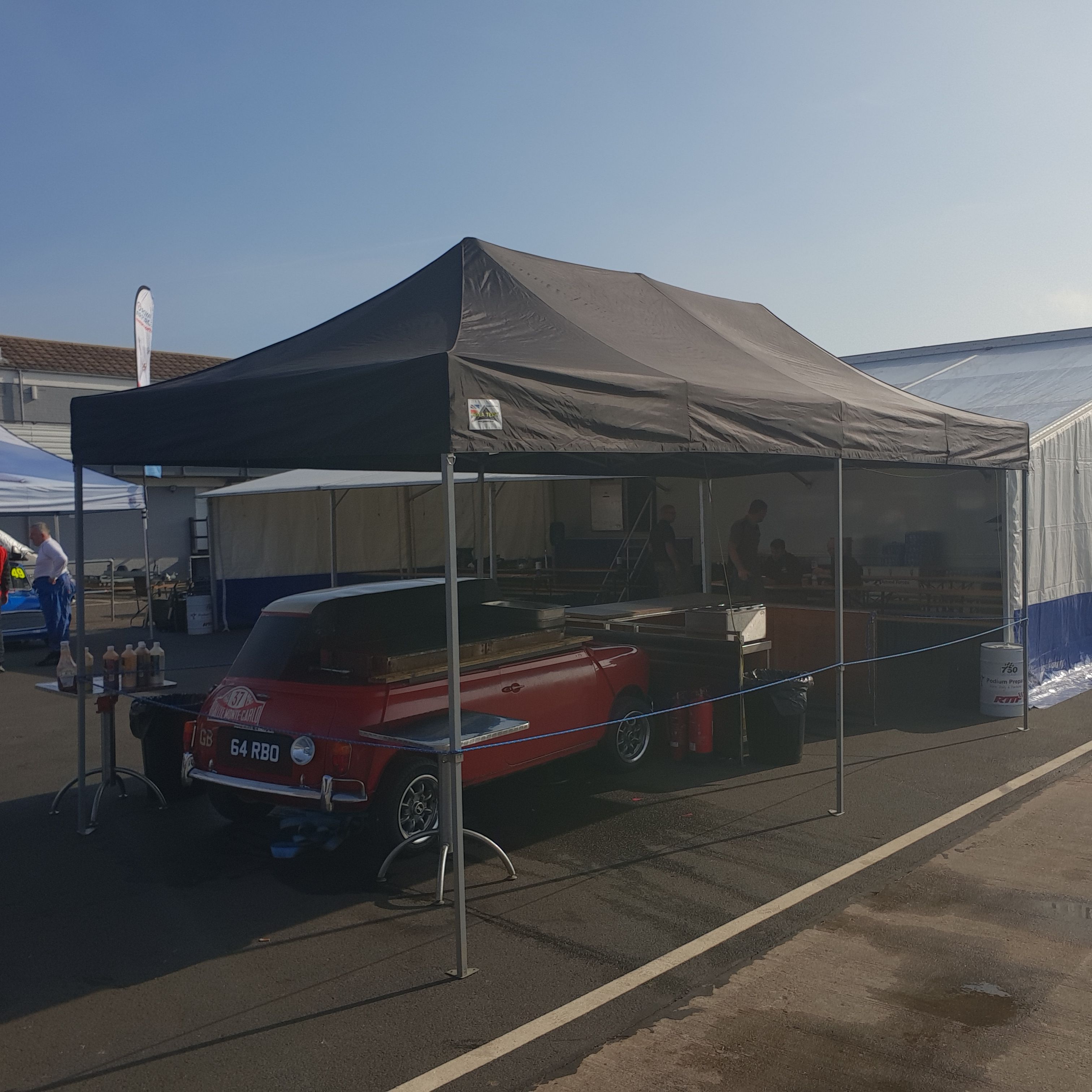
If you remember one thing from this guide, make it this: never pack your gazebo away wet. Damp fabric stored without airflow grows mould and mildew within days, even if the surface looks dry, and once it takes hold it stains permanently and rots the coating. After a wet event, set the cover up or hang it somewhere airy until it is bone dry — frame included — before it goes in the bag.
Two more habits protect it in storage and transit. Always clean the cover before storing it, as trapped dirt causes permanent staining. And always take the canopy off the frame before you transport the gazebo — the vast majority of transit tears happen when the cover is left on and flaps or catches on the way home. Store it clean and dry in a storage bag, in a cool dry place, and it will be ready to go when you are.
Everything You Need to Keep It Race-Ready
Gala Performance builds and supports its structures for the long haul, so the parts and accessories to keep yours in top condition are all in one place.
- Maintenance and repair — repair patches and care products to fix tears and keep the cover sound.
- Gazebo spare parts — replacement covers, legs, panels and connectors, so one breakage never means a new gazebo.
- Marquee and gazebo weights — the single most important upgrade for surviving a windy paddock.
- Strengthening equipment — strength bars that brace the frame against gusts.
Not sure what your setup needs? Request a callback and we will help you sort it.
How do you waterproof a gazebo?
How do you repair a torn gazebo cover?
Can you replace parts of a gazebo?
How do you clean a race gazebo?
How should you store a gazebo?
How do you stop a gazebo blowing away?